Generator Demand Rises as Power Reliability Becomes a Household Decision, Not a Utility Assumption

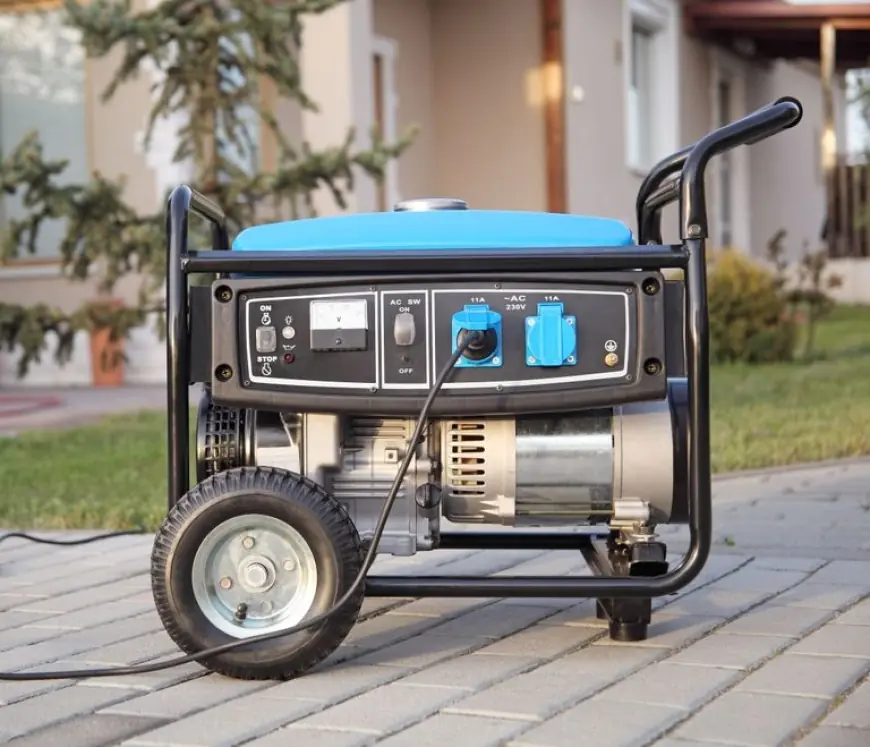
For many households and small businesses, a generator is no longer a “just in case” purchase—it’s turning into a budgeting line item driven by real-world disruption. Shorter, more frequent outages, heavier seasonal loads, and the ripple effects of heat waves and storms have pushed backup power from niche to mainstream. The impact is uneven: people who work from home, rely on medical devices, run refrigerated inventory, or live in outage-prone areas feel the pressure first. At the same time, buyers face a confusing market of fuel types, noise rules, and installation timelines.
Why the Generator Conversation Has Shifted
The generator story isn’t only about emergencies; it’s about continuity. A few hours without power can mean spoiled food, missed work, frozen payments, or unsafe indoor temperatures. That changes how people compare options: not “Will it run everything?” but “What must stay on, and for how long?”
Three shifts are reshaping decisions:
-
From whole-house dreams to critical-load plans: More buyers start with essentials—lights, internet, fridge, a fan or heater—then scale up only if needed.
-
From one-time purchase to system thinking: Transfer switches, safe fuel storage, maintenance schedules, and noise placement matter as much as wattage.
-
From cheapest sticker to total cost: Fuel efficiency, servicing, and battery replacements can outweigh an initial discount.
There’s also a widening gap between “portable backup” and “installed standby.” Portables offer flexibility and lower upfront cost, but require hands-on fueling and safe operation. Standby units can be seamless, but demand professional installation, permitting in many places, and a bigger investment.
What’s Actually Happening in the Generator Market
In recent buying cycles, the biggest friction points haven’t been brand names—they’ve been availability, lead times, and matching the generator to the real load. Many first-time buyers underestimate startup power for appliances like refrigerators, pumps, and air conditioners, then wonder why breakers trip.
A practical way to think about generator sizing is to separate:
-
Running watts: steady power needed once devices are operating
-
Starting watts: short burst needed to start motors and compressors
Fuel choice is another fork in the road:
-
Gasoline: easy to find, but shorter storage life and more frequent refueling
-
Propane: cleaner storage and longer shelf stability, but runtime depends on tank size and local refill logistics
-
Diesel (more common for larger setups): efficient under load, but storage and maintenance expectations are higher
-
Inverter-style generators (still fuel-based): quieter, better for electronics, often more efficient at partial loads
Buyers are also paying more attention to noise and neighborhood restrictions. A generator that’s technically powerful but too loud to run overnight can fail the real-life test.
A quick comparison shoppers actually use
| Need | Typical best-fit generator approach | Tradeoff to watch |
|---|---|---|
| Keep fridge + lights + Wi-Fi running | Portable inverter generator | Limited capacity for heavy appliances |
| Power a few rooms reliably | Portable + transfer switch for select circuits | Upfront electrician visit |
| Automatic backup for most of the home | Standby generator | Higher cost + install timeline |
| Apartment/strict noise environment | Battery power station + limited loads | Shorter runtime for high-watt devices |
Safety has become a bigger part of the public conversation too. Improper use—especially around exhaust and indoor operation—remains one of the most serious risks. As a result, more buyers are choosing setups that reduce improvisation: outdoor placement plans, dedicated connections, and clear run-time limits.
What This Means Next
In the short term, expect generator buying to look less like panic shopping and more like planned preparedness—especially in regions where outages are seasonal. That will likely push more demand toward mid-sized, efficient units and professionally connected solutions (transfer switches and partial-home circuits) rather than oversized “run everything” purchases.
Who benefits (neutral view):
-
Homeowners who can invest in safer connections and planned fuel storage
-
Small businesses that protect inventory and payments with predictable backup routines
-
Buyers who right-size to essentials instead of overbuying
Who loses (neutral view):
-
Renters or residents in dense areas where noise, storage, or placement constraints limit options
-
Shoppers who buy in a rush and discover the generator can’t handle startup loads
-
Anyone relying on ad-hoc indoor or poorly ventilated setups, where risks rise sharply
What to watch next:
-
More “critical-load” packages marketed as simple kits (generator + safe connection + basic monitoring)
-
Price swings tied to seasonality, where accessories and installation can become the bottleneck
-
A growing split between portable and installed standby, with fewer people treating them as interchangeable
If you want, tell me what you mean by “generator” (portable power, home standby, AI generator, or electricity generator at a plant), and I’ll tailor the next version to that exact topic while keeping the same publish-ready format.