

























Colorectal Cancer Deaths Rise Among Young Adults Despite Overall Cancer Decline

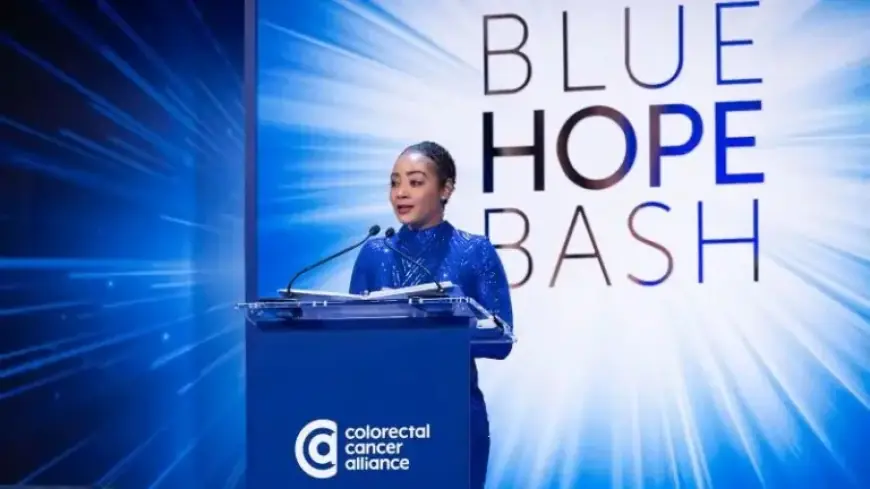
Colorectal cancer is increasingly becoming a serious health concern among young adults. Recent research indicates alarming trends in mortality rates for this illness, particularly for those under 50. This uptick challenges the long-held perception of colorectal cancer as primarily affecting older individuals.
Colorectal Cancer Deaths on the Rise Among Young Adults
In a significant study published in the medical journal JAMA, researchers revealed that colorectal cancer has become the leading cause of cancer deaths in the United States for individuals under 50, surpassing other cancer types. This marks a dramatic shift from the early 1990s, when it was the fifth most common cause of cancer death in this age group.
Key Statistics
- Colorectal cancer deaths in individuals under 50 have increased by 1.1% annually since 2005.
- More than 1.2 million individuals under 50 died of cancer in the U.S. from 1990 to 2023.
- Overall cancer death rates among this demographic fell by 44% over the same period.
- Top five causes of cancer deaths in young adults today include:
- Colorectal cancer
- Breast cancer
- Brain cancer
- Lung cancer
- Leukemia
Contributing Factors to Rising Rates
Despite these concerning statistics, health experts are baffled by the reasons behind this increase. Dr. Ahmedin Jemal from the American Cancer Society noted that while deaths from other major cancer types are declining, colorectal cancer mortality is on the rise without clear explanations. Approximately 37% of adults aged 45 to 49 are current with their screenings, raising concerns about awareness and early detection.
Challenges in Early Detection and Diagnosis
The rise in colorectal cancer among the younger population emphasizes the need for improved screening practices. Experts recommend regular screenings starting at age 45 for those at average risk. However, young adults often experience delays in diagnosis, typically due to a lack of awareness and the tendency of healthcare providers to attribute symptoms to less severe conditions.
Common Symptoms of Colorectal Cancer
- Blood in the stool or rectal bleeding
- Unexplained changes in bowel habits
- Persistent abdominal pain or cramping
- Weakness or fatigue
- Unintended weight loss
- Lingering sensation of fullness
If left undiagnosed, symptoms can lead to late-stage cancers, which significantly reduce survival rates. Studies indicate that over 60% of colorectal cancer patients under 50 are diagnosed at an advanced stage, contributing to poorer outcomes.
The Road Ahead
As community awareness grows, so does the urgent need for enhanced research. Healthcare providers are encouraged to be vigilant in diagnosing symptomatic patients, regardless of age. The goal must be to prevent further increases in colorectal cancer mortality among young adults.
Colorectal cancer is no longer an issue for just older populations. To combat this trend, advancements in screening and early detection are vital for saving lives and improving outcomes.