
























UK Inflation Surpasses Forecasts, Signals Cost of Living Concerns

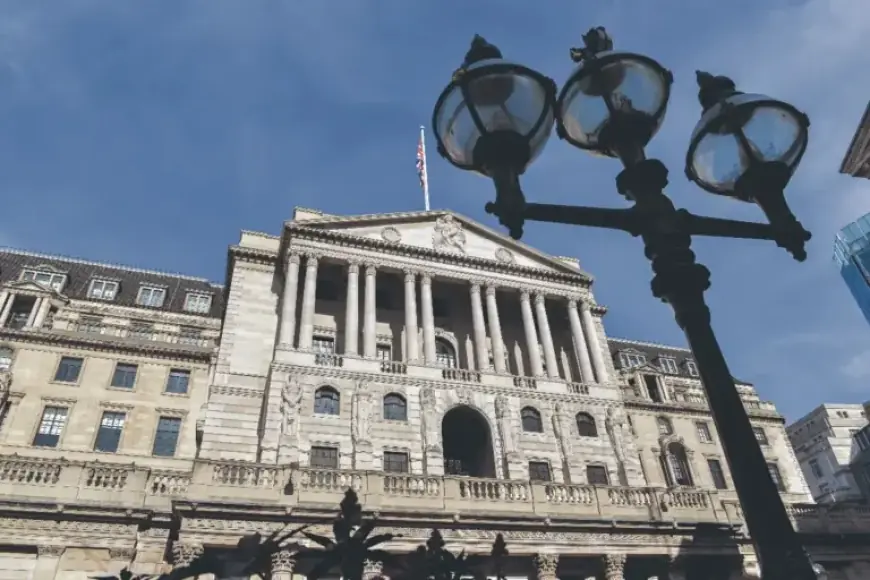
The recent inflation data released by the Office for National Statistics (ONS) has surpassed forecasts, raising concerns over the cost of living in the UK. The consumer price index (CPI) inflation reached 3.4% for the year ending December, higher than the anticipated 3.3%. This unexpected rise poses challenges for the Bank of England as it considers future interest rate decisions.
Key Inflation Data and Its Implications
Grant Fitzner, chief economist at the ONS, noted that the increase was partially driven by elevated tobacco prices linked to new excise duties. Additionally, food price inflation climbed to 4.5%, up from 4.2% the previous month, heightening concerns for UK households. Such changes can significantly impact inflation expectations because grocery costs are fundamental to consumers.
Another important figure is the services inflation, also recorded at 4.5%. This metric is vital as Bank of England officials closely monitor service-related cost increases.
Economic Responses and Predictions
- Chancellor Rachel Reeves emphasized her commitment to reducing the cost of living, advocating for measures that benefit working households.
- Economist Paul Dales from Capital Economics warned of the potential for even higher inflation. He indicated that inflation in airfares fell short of prior expectations, influenced by timing of the ONS survey.
- Shadow Chancellor Mel Stride attributed rising inflation rates to current economic mismanagement, which he claims adversely affects vulnerable populations.
As Bank of England policymakers prepare to address interest rates, this release marks the final major inflation data considered before their February meeting. The current interest rate stands at 3.75%. Despite discussions among members favoring lower rates, including Alan Taylor, the consensus seems to predict minimal change.
Future Economic Outlook
Most economists forecast only one more rate cut this year as attention shifts to achieving the target inflation rate of 2%. Yet, persistent wage growth and inflation expectations could impede these plans. Furthermore, Andrew Bailey, a Bank of England representative, stressed the importance of being vigilant regarding external economic factors, including the implications of U.S. economic policies.
In summary, the recently released inflation data underscores significant economic challenges ahead for the UK, prompting both policymakers and economists to reevaluate their strategies regarding interest rates and cost of living initiatives.