





















Paul Robeson: From Hollywood Star to Blacklisted American Icon | Books

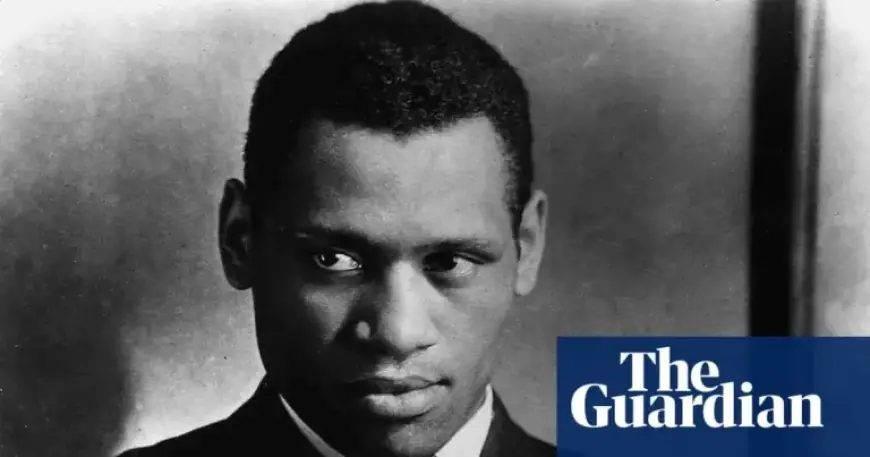
Paul Robeson, an iconic figure in American history, remains largely overlooked despite his monumental contributions to arts and civil rights. Born in 1898, Robeson was a multifaceted talent—a celebrated bass-baritone, a Broadway trailblazer, a prominent actor, and a gifted athlete.
Achievements and Contributions
Robeson’s career highlights include:
- Broadway Trailblazer: In 1943, he became the first Black actor to play Othello in the United States.
- Athletic Excellence: A two-time All-American at Rutgers, Robeson was one of the greatest college football players in history.
- Legal Education: He graduated from Columbia Law School.
Before his fame in the arts, Robeson even played defensive end in the NFL, showcasing his extraordinary versatility.
Political Isolation and Blacklisting
Despite his successes, Robeson faced intense scrutiny for his political beliefs. His refusal to denounce the Soviet Union during the Cold War led to his isolation by both White society and many Black leaders. Organizations like the NAACP distanced themselves from him, fearing backlash.
Jackie Robinson, an American hero and Brooklyn Dodgers star, even testified against Robeson in 1949. Following this, Robeson faced violent protests at his concerts and was effectively erased from many historical records.
Federal Repercussions
The U.S. State Department labeled Robeson “the most dangerous man in America” and revoked his passport for nearly a decade. A Supreme Court ruling eventually declared that denying a citizen the right to travel based on political beliefs is unconstitutional.
Legacy and Modern Comparisons
Robeson’s legacy is profound, influencing countless Black artists including Lena Horne, Denzel Washington, and Harry Belafonte. However, his story serves as a cautionary tale about the political climate in America today.
Contemporary Context
Disquieting parallels can be drawn between Robeson’s experiences and current events. The current political atmosphere, marked by hostility towards diversity initiatives, echoes the challenges faced by Robeson and his supporters.
Just as there is debate today regarding engagement in political matters, Robeson’s life prompts reflection on how marginalized voices are treated. Even in death, the campaign for his recognition remains pertinent.
A Call for Recognition
In the decades since his passing, Robeson has awaited his due acknowledgment as a monumental figure in American history. As the arts and civil rights landscapes evolve, we must not forget the legacy of Paul Robeson, the greatest casualty of the Red Scare.