
























Volvo CEO Challenges Legacy Automakers: “Best of Luck to You”

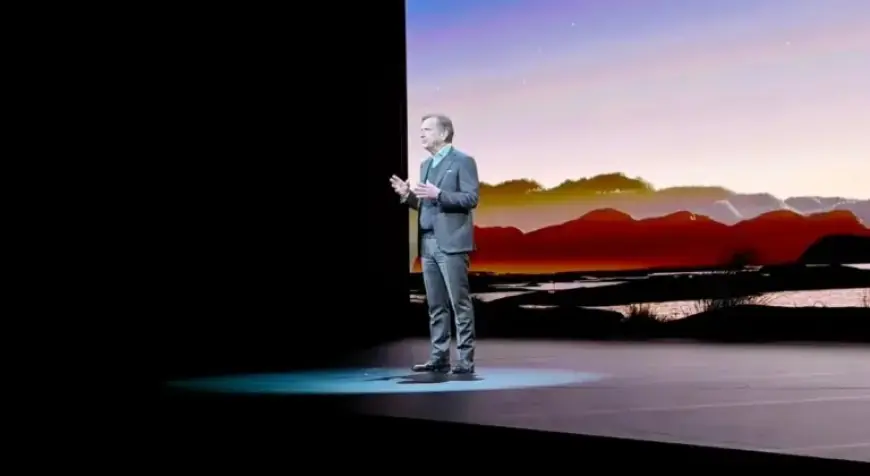
The 2027 Volvo EX60 made its debut, representing a significant moment in the Swedish automaker’s transition to electric vehicles. During a media round table in Sweden, Volvo President and CEO Håkan Samuelsson expressed confidence in Volvo’s advancements. He stated, “I think we are well ahead of the others, and good luck, the rest of you,” referring to traditional automakers facing challenges in adapting to new technologies.
Volvo’s Electric Future
Samuelsson emphasized the shift from conventional automotive practices to integrating a comprehensive in-house software system. He elaborated on how challenging this journey has been. “Yeah, looking into it, now retrospective, this was a tough process,” he noted, highlighting that the establishment of a central computer system has been pivotal for Volvo.
Innovations in Software
Michael Fleiss, Volvo’s Chief Strategy and Product Officer, pointed out the successful implementation of software-defined vehicles, a feat other legacy automakers like Ford and Volkswagen have struggled to achieve. He remarked, “We are one of the few legacy OEMs who have that,” referring to the software quality improvements now integrated into their new SPA3 architecture. Fleiss added, “It took us quite some time, but now we have software-defined vehicles.”
Addressing Past Challenges
Volvo’s executive team is well aware of the issues faced with the EX90 model, which has undergone quality problems in the past. Fleiss acknowledged, “As you have all seen, our customers have suffered under the EX90 quality issues we had in the past, which are now solved.” This response led to a two-year delay in the EX60’s release, a topic the team openly discusses with customers.
The Journey to Stability
Chief Engineering and Technology Officer Anders Bell described the road to creating a robust software stack as a “daunting task.” He expressed relief at overcoming the hurdles but noted the significant impact on customers. “It’s been a very, very, very tough journey,” Bell said, adding that any setbacks should never affect customers. He admitted, “If given the opportunity to do things again, we should’ve started earlier.”
Conclusion
Volvo is now poised to lead in the electric vehicle market, showcasing its commitment to software innovation. The lessons learned from past challenges are shaping a brighter future for both the company and its customers. With a keen focus on quality and technology, Volvo’s transition to software-defined vehicles sets a new industry standard.