























Somalis Confront Vicious Cycle: Resilience, Livelihoods, and Aid in 2026

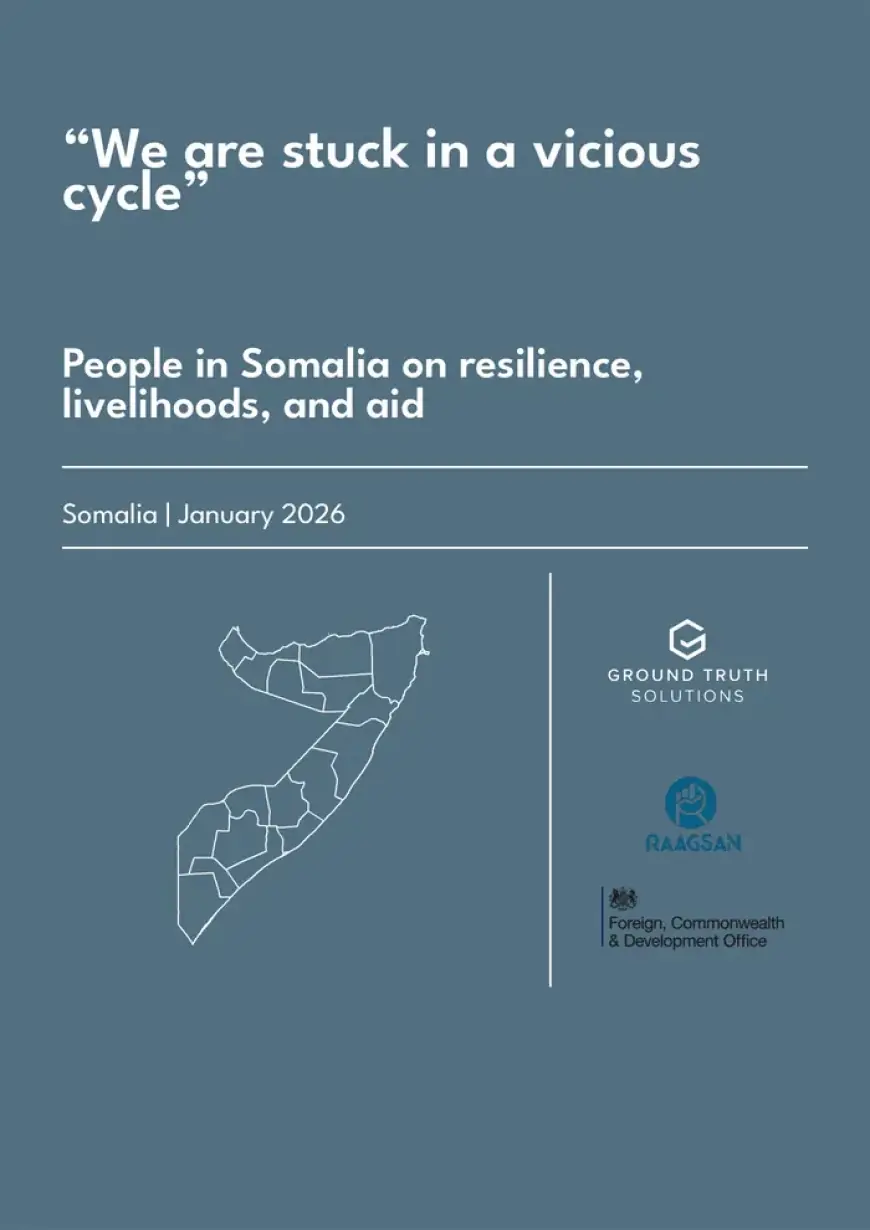
As Somalia faces an increasing array of challenges, its population expresses a strong desire for support that enables long-term stability rather than mere survival. Amidst ongoing crises, communities are calling for assistance that enables them to build independent and resilient futures in 2026.
Survey Insights from Somalia
A recent survey encompassing 7,460 individuals across 11 districts reveals critical insights into the lives of those in Somalia. Respondents communicated the need for support that not only addresses urgent needs but also fosters economic security and mitigates the impacts of climate change.
Understanding Resilience
- Definition of Resilience: Resilience, according to the participants, is the capacity to withstand income shocks while safeguarding assets and livelihoods.
- Resilience Index: The survey introduced a perception-based resilience index focusing on five key dimensions: assets and livelihoods, social capital, climate coping capacity, services, and security.
Community members emphasized that without secure livelihoods and essential services, resilience remains an elusive goal.
Key Findings from the Survey
1. Balancing Immediate Needs and Long-Term Aspirations
Individuals seek sustainable support that addresses their immediate challenges while paving the way for greater stability. While food insecurity remains critical, many believe that the root problem lies in insufficient job opportunities. Notably, 68% of internally displaced persons (IDPs) reported dissatisfaction with humanitarian aid effectiveness.
2. Emphasis on Livelihoods
Livelihoods are central to how people view resilience. Approximately 53% of participants identified a lack of job opportunities as their greatest concern. Almost half felt pessimistic about future economic prospects. While over 85% of farmers and pastoralists are considering adapting their practices to address climate challenges, financial constraints remain a significant obstacle.
3. Pressure on Social Safety Nets
Social capital is recognized as a fundamental driver of resilience; however, 71% of respondents reported having no one to rely on for financial support during crises. Moreover, 54% mentioned a lack of community cooperation due to insufficient resources.
4. Impact of Climate Change
The effects of climate variability are increasingly severe, especially for rural and IDP populations. Fifty percent of rural participants feel their communities struggle to cope with climate hazards, while 47% lack confidence in their households’ resilience against such shocks. Calls for enhanced water infrastructure and flood protection are particularly urgent.
5. Necessity of Basic Services and Security
Access to basic services, including healthcare, education, electricity, and water, is crucial for fostering better futures. Despite the challenges, 74% of respondents reported feeling secure in their daily lives, with 57% stating their communities collaborate to enhance safety.
Conclusion
As Somalia navigates an arduous path toward stability in 2026, the emphasis should be on fostering resilience through sustainable support for livelihoods, enhancing social cooperation, and improving access to essential services. The voices of Somali communities are clear—they seek actionable solutions that extend beyond immediate relief and empower them to build a brighter future.