

























Top Highlights from Final FY 2026 Spending Bills

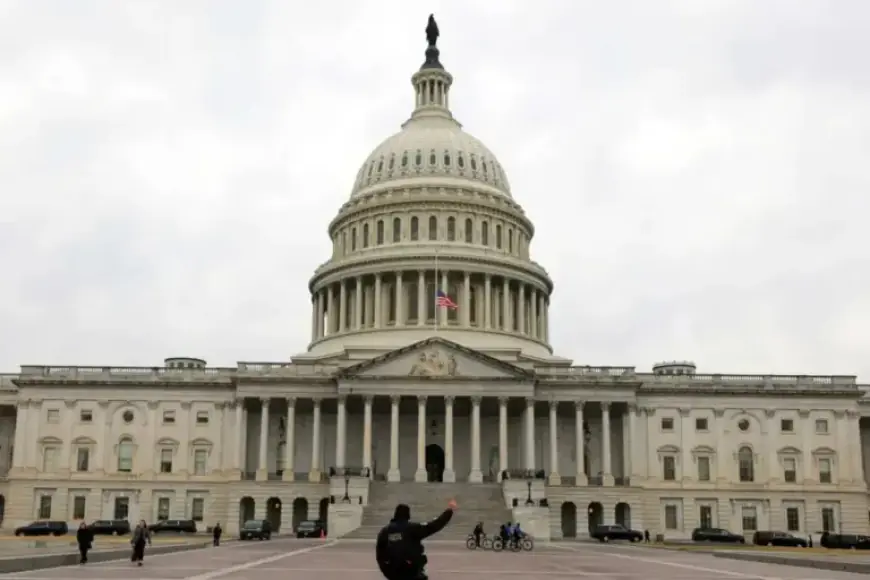
Congress is poised to finalize spending decisions for the remainder of fiscal year 2026, as appropriators release a significant spending package. This four-bill “minibus,” introduced by House and Senate appropriations committees, addresses funding for several key federal departments. With a current continuing resolution due to expire on January 30, progress appears to be underway.
Key Highlights from Final FY 2026 Spending Bills
Overview of Funded Departments
The spending bill outlines annual appropriations for the following departments:
- Department of Defense
- Department of Homeland Security
- Department of Labor
- Department of Health and Human Services
- Department of Education
- Department of Transportation
- Department of Housing and Urban Development
Pay Raises and Hiring Initiatives
One of the significant provisions is a proposed 3.8% pay raise for air traffic controllers, supported by a $1.58 billion budget for the Federal Aviation Administration (FAA). This funding aims to facilitate the hiring of 2,500 new controllers, as the FAA currently faces a staffing shortage of approximately 3,500 personnel.
Spending Cuts and Workforce Changes
Republican lawmakers noted several spending cuts across federal agencies. Specifically, they endorsed a 29% reduction in the federal workforce for the Transportation Department and HUD. Notably, the HUD staffing has seen a 24% decrease, leading to projected savings of $348 million.
President Trump previously indicated that workforce reduction is vital for efficiency, highlighting a substantial drop in federal employees over the past year.
Increased Funding for Health Services
The Department of Health and Human Services (HHS) received a budget of $116.8 billion, marking a slight increase. Congressional leaders rejected proposed significant cuts from the Trump administration, ensuring continued funding for the Centers for Disease Control and Prevention and enhancing budget allocations for mental health services.
Education and Social Security Budgets
In education, the Department of Education secures $79 billion in discretionary spending, resisting cuts proposed by the administration. Meanwhile, the Social Security Administration will receive a budget increase to $15 billion for its administrative needs, aiding improved public service levels.
Labor Department Oversight Maintained
The Labor Department’s budget includes $13.7 billion in discretionary spending, with its compliance office funded to ensure fairness among federal contractors. Efforts to eliminate or reduce this department’s scope were successfully opposed.
Support for Smaller Agencies
Additionally, funding for small agencies previously targeted for elimination will be sustained. These agencies include the Institute of Museum and Library Services, which will receive a budget of $292 million.
This spending package illustrates Congress’s commitment to maintain essential federal services while navigating the complexities of fiscal management in an evolving political landscape. As discussions continue, further adjustments may arise, reflecting ongoing negotiation efforts among lawmakers.