National Parks USA in 2026: What’s Changing, What’s New, and How to Plan a Smoother Trip

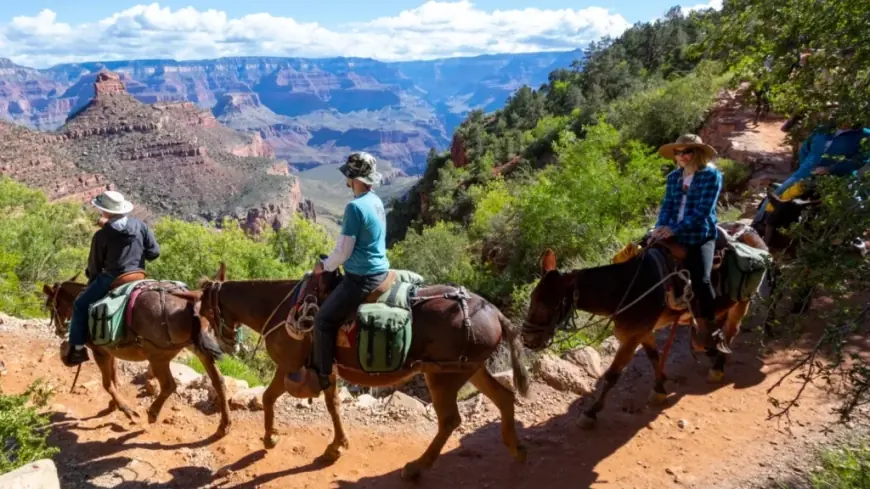
“National parks USA” planning looks a little different in 2026. Beyond the usual questions about crowds, weather, and the best trails, visitors now have to navigate a faster-moving mix of access rules, seasonal closures, and new pricing structures that can meaningfully change the cost and timing of a trip.
The big picture: the parks remain as spectacular as ever, but the logistics are getting more “airline-like” in peak seasons—book ahead, double-check entry requirements, and build flexibility into your schedule.
National parks USA entry in 2026: passes, fees, and who pays what
A major shift arriving in 2026 is a new split between U.S. residents and international visitors for certain national-park access costs. The annual interagency pass remains one price for U.S. residents while moving higher for nonresidents, and a new per-person surcharge is being applied to non-U.S. residents at a set list of the most-visited parks—on top of standard entrance fees.
A few practical implications:
-
International visitors should budget for higher front-end costs, especially if visiting multiple headline parks in a single trip.
-
“Fee-free days” are no longer a universal discount in the same way; in 2026, those dates are structured around resident eligibility.
-
Gate lines can slow down when staff must verify eligibility or explain new rules, so arriving early matters more than it used to.
Because implementation details can evolve, treat pricing as something to confirm shortly before travel—especially if you’re visiting during peak season or a holiday window.
Timed entry and reservations: why planning ahead matters more than ever
Across the national parks USA system, timed-entry and reservation-style access continues to expand as a crowd-management tool. The idea is simple: if a park (or a popular corridor inside a park) hits capacity early, timed entry spreads arrivals across the day and reduces gridlock.
What this means for your itinerary:
-
You may need an advance time slot even if you already paid an entrance fee or hold a pass.
-
Some tickets are free but come with a small nonrefundable processing charge.
-
Reservations can release in batches (and sometimes sell out fast), so setting calendar reminders is worth it.
If you’re planning a “big five” or “grand loop” style road trip, prioritize reservation-dependent parks first, then build the rest of your route around what you can reliably lock in.
Winter and shoulder season reality check: closures, storms, and safety
January travel can be magical—quiet trails, crisp air, dramatic landscapes—but it also comes with higher odds of closures and hazardous roads. As winter storms push through large parts of the country, parks within the storm footprint can shut down roads, limit services, and restrict access with little notice.
Common winter trip pitfalls:
-
Mountain passes and scenic drives closing due to snow, ice, or high winds.
-
Visitor services running on limited winter schedules or full seasonal closures.
-
“Looks clear in town” not matching conditions at elevation.
If your national parks USA plan includes winter visits, build a buffer day into your route and avoid stacking long drives and hikes on the same day. The safest plan is the one that still works if a key road closes.
New discoveries still happen: why “been there” doesn’t mean “seen it all”
Even iconic, long-studied park units continue to surprise scientists and visitors alike. In recent days, park staff at a major dinosaur-focused site spanning Colorado and Utah unearthed and began excavating new fossil material—highlighting that active discovery is still part of the national-park story, not just the history.
For travelers, this is a reminder that:
-
Exhibits can change as new finds are prepared and displayed.
-
Ranger talks and museum stops can be the most “new” part of a repeat trip.
-
Lesser-known park units (monuments, historic sites, recreation areas) often deliver big returns with smaller crowds.
If you’ve already done the headline parks, consider building a trip around a region’s smaller units and using one flagship park as the anchor.
A practical planning checklist for national parks USA trips
Use this quick list to reduce surprises:
-
Entry rules: Confirm whether your park requires timed entry, a vehicle reservation, or special-area permits.
-
Seasonal access: Verify which roads, campgrounds, and visitor centers are open during your dates.
-
Weather backup: Identify one indoor or low-risk alternative each day (museum, scenic viewpoint, short trail).
-
Start times: Arrive early—both for parking and for safer hiking in winter conditions.
-
Connectivity: Don’t rely on signal at park gates or trailheads; download maps and confirmations ahead of time.
-
Flex days: Add at least one “floating” day per week of travel to absorb closures or delays.
What to watch next in 2026
The themes to keep an eye on are clear: more reservation-based access during peak demand, tighter operational responses to extreme weather, and continued debate around pricing structures—especially for international visitors. If you plan with flexibility and confirm logistics close to departure, the experience itself remains what it’s always been: unmatched landscapes, deep history, and the kind of quiet that’s hard to find anywhere else.
If you tell me the month you’re traveling and which region you’re aiming for (Southwest, Rockies, California, Pacific Northwest, Southeast), I can map out a realistic 5–10 day national parks USA route that accounts for reservations and seasonal access.