

























Trump’s Tariff Threat Over Greenland Sparks Stock Market Plunge

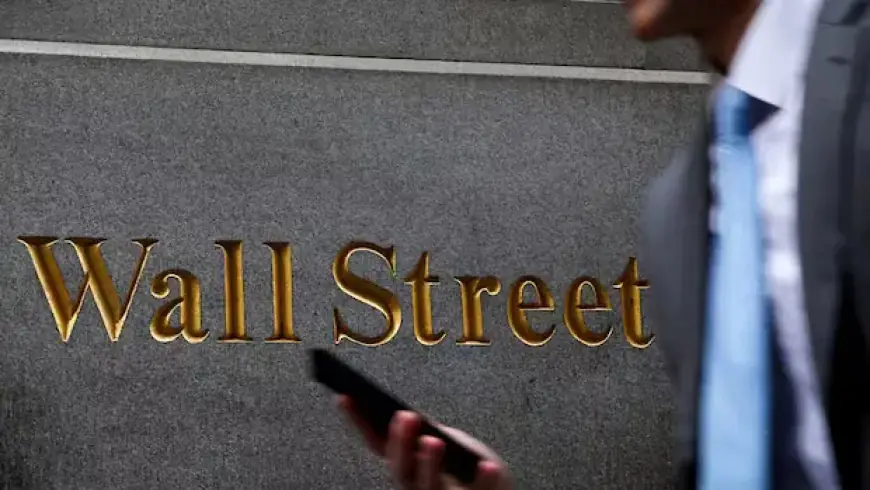
Recent comments from U.S. President Donald Trump regarding tariff threats on eight NATO member countries have resulted in notable declines in the stock market. This development follows his asserted interest in Greenland, a self-governing territory of Denmark.
Market Reactions to Trump’s Tariff Threat
On Tuesday, the S&P 500 experienced a significant drop of 2.1 percent, marking its largest decline since October. The Dow Jones Industrial Average fell by 877 points, approximately 1.8 percent, while the Nasdaq composite plummeted 2.4 percent. The market’s initial reaction came as U.S. trading resumed after a closure for Martin Luther King Jr. Day.
International Market Impact
European and Asian markets mirrored these losses, with Canada’s S&P/TSX composite index dropping 340.68 points to finish at 32,750.28. Key sectors affected included:
- Technology stocks saw significant declines, with Nvidia down 3.6 percent and Amazon falling by 3.7 percent.
- Retail, banking, and industrial sectors also faced sharp declines, with JPMorgan Chase down 2.9 percent and Caterpillar losing three percent.
- Conversely, consumer staples companies showed resilience, with Colgate-Palmolive rising 1.5 percent and Campbell’s increasing by 1.7 percent.
Tariff Details and Economic Context
Trump announced plans for a 10 percent import tax starting in February on goods from Denmark, Norway, Sweden, France, Germany, the United Kingdom, the Netherlands, and Finland. The importance of these nations is underscored by the fact that their collective annual imports to the U.S. exceed those from Mexico and China combined. This escalation in trade tensions is occurring alongside global economic gatherings, like the World Economic Forum in Davos, Switzerland.
A surge in precious metals prices, with gold rising 3.7 percent and silver up 6.9 percent, indicates investor flight to safety amid geopolitical concerns. Meanwhile, bitcoin has fallen from a recent high of over $96,000 to about $89,300. Mixed trends in Treasury yields reflect the uncertainty surrounding these developments.
Repercussions and Diplomatic Responses
Trump’s remarks have led to diplomatic unrest in Europe, prompting discussions of potential countermeasures, including retaliatory tariffs. Analysts, like Dan Ives from Wedbush Securities, suggest that while these tariff threats may cause short-term tension, they might not have long-lasting impacts on negotiations between the U.S. and EU. The potential for tariffs to exacerbate already high inflation rates complicates economic planning for many businesses.
The past couple of years have seen fluctuating tariff policies, with various threats and subsequent delays causing uncertainty in the market. As the Federal Reserve navigates these challenges, the risks associated with rising inflation remain a crucial concern.