

























Met Opera Implements Layoffs and Budget Cuts Despite Financial Measures

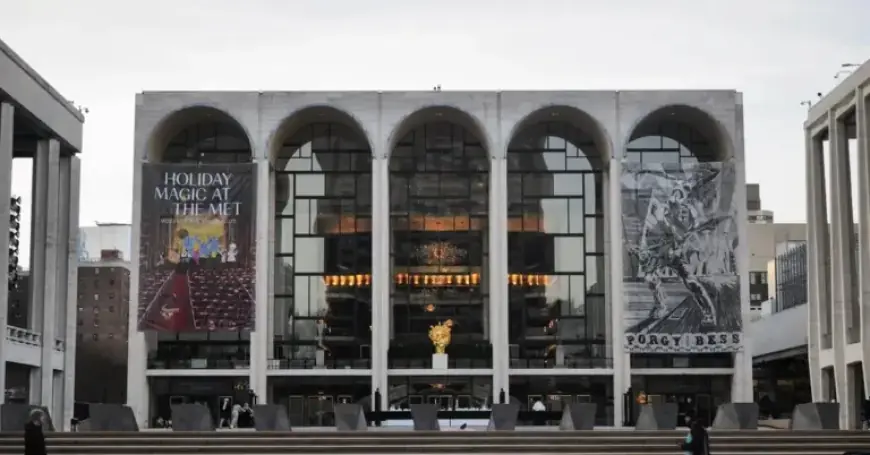
The Metropolitan Opera (Met) is implementing significant layoffs and budget cuts amidst ongoing financial challenges. These changes aim to address declining audience numbers, reduced donor contributions, and decreased government funding.
Financial Impact and Budget Cuts
The Met announced cuts that are projected to save $15 million in the current fiscal year and an additional $25 million in the following year. These measures include reducing the upcoming season to 17 productions from the previously scheduled 18. This adjustment marks a considerable decline from the approximately 25 productions typically held before the pandemic.
Controversial Deal with Saudi Arabia
A point of contention has emerged regarding the Met’s recent agreement with Saudi Arabia. This deal, intended to bolster the opera’s financial stability, could potentially generate as much as $200 million over eight years. However, critics have raised concerns due to the kingdom’s history of human rights violations, including its involvement in the assassination of journalist Jamal Khashoggi in 2018.
Leadership Changes and Compensation Adjustments
In addition to reducing productions, the Met will also terminate 22 administrative positions from a total of 284. Salary reductions will affect 35 executives earning more than $150,000, with cuts ranging from 4% to 15% based on their earnings. General manager Peter Gelb, who received nearly $1.4 million last year, is among those impacted. Music director Yannick Nézet-Séguin, earning around $2.05 million, will also face salary adjustments.
Temporary Salary Cuts
Gelb emphasized that the salary reductions are expected to be temporary, with a goal to restore full pay by August 2027, contingent upon the Met’s financial recovery. He did not clarify whether additional reductions might be reversed if the Saudi deal proceeds successfully.
Conclusion
The Met’s strategy reflects a broader trend of cultural institutions grappling with financial realities. As the organization navigates through these turbulent times, its future will depend on the outcomes of both its budgetary measures and external partnerships.