Inter vs Arsenal: Gabriel Jesus Double Sends Arsenal Past Inter 2–1 at San Siro in Champions League Shake-Up

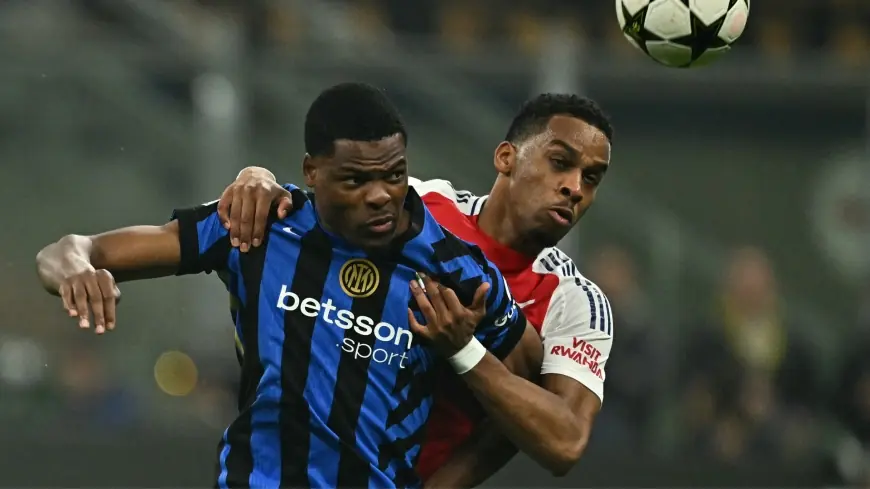
Arsenal beat Inter 2–1 at San Siro on Tuesday, January 20, 2026, with Gabriel Jesus scoring both goals in a high-intensity Champions League league-phase clash. Inter briefly pulled level through Petar Sučić, but Arsenal regained control before halftime and protected their lead through a tense second period.
The win keeps Arsenal’s league-phase momentum rolling at a crucial point in the schedule, while Inter are left needing a response quickly as the race for the top positions tightens across the expanded format.
Inter vs Arsenal: how the match was decided
Arsenal struck early and did it the hard way—by being quicker to second balls and sharper in the box. The opener came after sustained pressure: a scramble moment where Arsenal’s attack stayed alive long enough for Jesus to finish from close range and put the visitors in front.
Inter’s response was immediate and encouraging. Rather than panic, they pushed their midfield higher and started finding pockets between Arsenal’s lines. That shift was rewarded when Sučić curled in the equaliser, giving San Siro a lift and turning the game into the kind of test Arsenal have sometimes struggled with in Europe: big atmosphere, quick momentum swings, and no easy phases.
The decisive moment arrived before the break. Arsenal regained the lead through a set-piece sequence that Inter couldn’t fully clear, and Jesus reacted fastest to restore the advantage. From there, the match became a tactical grind—Inter trying to force the issue, Arsenal trying to keep the game in front of them.
-
Final score: Inter 1–2 Arsenal
-
Goals: Gabriel Jesus (2), Petar Sučić
-
Key theme: Arsenal’s sharpness in decisive moments outmatched Inter’s control spells
-
Turning point: Arsenal’s second goal, sparked by a set-piece and quick reactions
-
Second-half story: Inter pressed, Arsenal managed risk and held firm
What changed after halftime and why Inter couldn’t equalise
Inter came out with more urgency in the second half, but Arsenal’s defensive structure improved. Instead of chasing the ball, Arsenal narrowed the spaces that Inter wanted to exploit—especially in the inside channels where Inter’s combinations can become lethal.
Inter did create pressure, yet the clearest openings were limited. Arsenal’s shape forced Inter wider, turning attacks into crosses and cutbacks rather than clean shots from central areas. The match stats reflected the balance: possession leaned slightly Arsenal’s way, and shots on target were essentially even, but the quality of Arsenal’s finishing moments made the difference.
For Inter, the frustration will be familiar: good stretches, but not enough end product when it mattered. For Arsenal, this was a European away performance built on efficiency—take the chances, then manage the game with discipline.
What the result means for the Champions League league phase
This result lands at a pivotal time in the league phase (Matchday 7), where the top spots carry real value—less risk in the next round and a clearer path through the bracket. Arsenal’s win strengthens their position near the top of the table and reinforces a simple message: they can win in hostile environments without needing perfect control for 90 minutes.
Inter, meanwhile, remain in the mix but can’t afford to let home points slip repeatedly in a format where fine margins separate direct qualification, playoff routes, and uncomfortable draws. The pressure now shifts to their remaining fixture(s), where they’ll likely need both points and a statement performance to reassert authority.
Historical context
Inter vs Arsenal has never been an annual rivalry, but it’s the kind of matchup that tends to define reputations quickly: a heavyweight home crowd, a tactical chess match, and moments that live in highlight reels. Arsenal’s ability to win here will be filed alongside their recent European growth—results that suggest a team learning how to travel, suffer, and still collect maximum points.
FAQ
Who scored in Inter vs Arsenal?
Gabriel Jesus scored twice for Arsenal, and Petar Sučić scored for Inter.
Where was Inter vs Arsenal played?
At San Siro in Milan.
Why is this result important?
It comes late in the league phase, when points and goal swings heavily influence who earns the best positions—and who faces a tougher route next.
Arsenal now move forward with momentum and a blueprint they can repeat: strike early, stay calm when momentum shifts, and trust structure when the game turns chaotic. Inter’s next response will be judged not only on the scoreboard, but on whether they can turn control into goals—because in nights like this, control without cutting edge isn’t enough.