
























Ontario Cities Prioritize Policing Gardens Over Biodiversity Conservation

In various municipalities across Ontario, there is a growing tension between urban gardening practices and city bylaws that prioritize aesthetic landscaping. This situation has sparked concerns about biodiversity conservation amidst a broader ecological crisis.
Ontario Municipalities and Garden Regulations
Recent reports revealed that naturalized gardens are being targeted for violating bylaws that restrict plant height to 20 centimeters. This height limit is often enforced strictly, leading to conflicts between residents and city officials.
The Barnes Family Controversy
In Burlington, the city took action against the Barnes family, who maintained a natural garden filled with native species. After numerous warnings and the threat of substantial fines, city crews destroyed their garden. Officials argued that the garden lacked proper maintenance, thus failing to qualify for exemption from the height regulations.
- Tax penalties proposed: $10,000 per day fines for non-compliance.
- Estimated total fines: Up to $400,000.
As a result, the Barnes family is now facing legal action from the city, escalating an already fraught situation.
Ruling in Mississauga
In a contrasting case, a Mississauga resident, Wolf Ruck, recently achieved a legal victory. A judge ruled that the city’s grass height and weed control regulations were unconstitutional, asserting they infringed upon Ruck’s freedom of expression. This decision sets a significant precedent for other similar cases within the province.
The Broader Implications
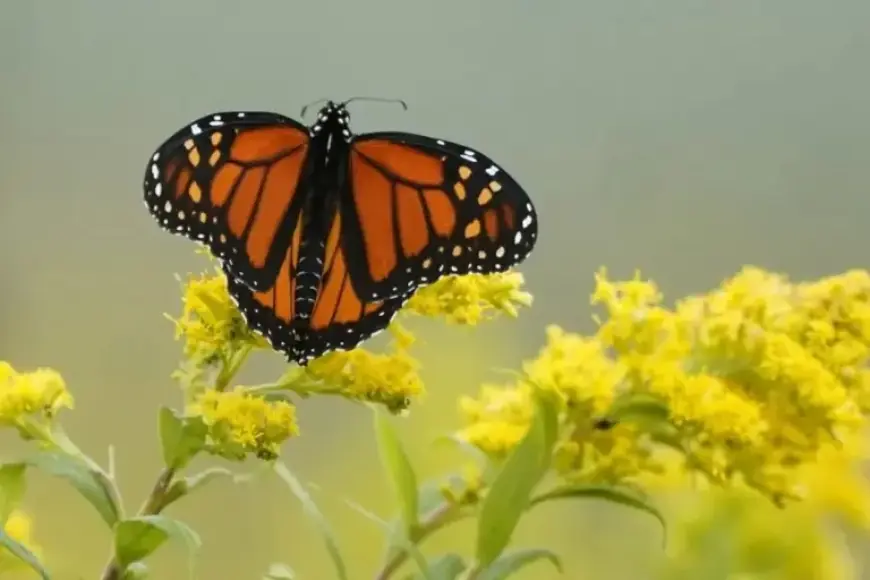
Many municipalities, including Burlington and Mississauga, have implemented their own pollinator gardens. However, the enforcement of strict gardening rules undermines community efforts to promote biodiversity. These policies not only waste municipal resources but also provoke frustration among residents seeking to foster natural habitats.
- Native plants provide essential ecological benefits:
- Carbon sequestration to combat climate change.
- Pollen sources for vital insect populations.
- Reduced water usage compared to traditional lawns.
Residents argue that such bylaws should not dictate their personal aesthetic choices, especially when those choices contribute positively to the environment.
Conclusion
The debate over garden regulations highlights the need for more lenient policies that support biodiversity conservation. As Canadian city landscapes evolve, it is essential to prioritize the ecological benefits of diverse gardens over purely aesthetic concerns. Such a shift would not only honor individual expression but also help restore balance to urban ecosystems across the province.