Supreme Court to Review Hawaii Gun Law’s Constitutional Limits

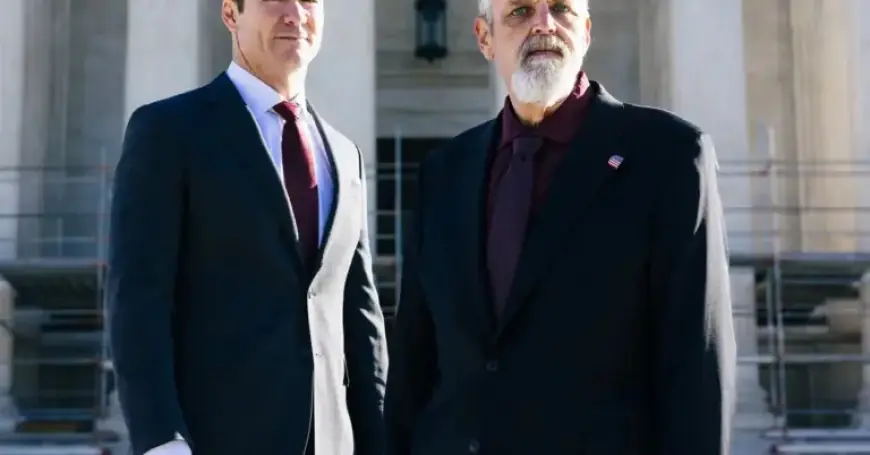
The Supreme Court of the United States will soon evaluate Hawaii’s gun law in a significant Second Amendment case. This case, titled Wolford v. Lopez, challenges the constitutionality of a state law prohibiting concealed firearms on private property without prior permission. The hearing is set to explore the balance between individual firearm rights and property owners’ rights.
Background of the Case
Since Hawaii has some of the strictest gun regulations in the United States, the case garners national attention. The law, enacted in 2023, restricts carrying concealed handguns in designated sensitive areas such as schools, parks, and restaurants that serve alcohol. Furthermore, it imposes criminal penalties for carrying concealed weapons on private property without explicit permission.
The Legal Challenge
- Case: Wolford v. Lopez
- Plaintiffs: Jason and Alison Wolford, Atom Kasprzycki, and the Hawaii Firearms Coalition
- Defendant: Anne E. Lopez, Hawaii’s Attorney General
The plaintiffs argue they live in fear of arrest when attempting to carry concealed weapons in familiar places. They contend that the law undermines their ability to defend themselves, particularly in isolated areas.
Previous Supreme Court Rulings
This case builds upon a precedent established in 2022 during the New York State Rifle & Pistol Association v. Bruen decision. The Supreme Court ruling set a new standard requiring gun laws to be aligned with the nation’s historical and traditional practices regarding firearms. The Bruen case was significant as it attempted to clarify the Second Amendment’s scope, marking the first major challenge the conservative-majority court addressed in over a decade.
Arguments for and Against the Law
- Supporters of the law assert it is necessary for public safety and property rights.
- Opponents claim the law essentially bans public carry and violates the Second Amendment.
The Trump administration has also joined the plaintiffs, arguing that the law functions as a near-complete ban on carrying firearms in everyday locations. This legal dispute highlights a broader national debate on gun rights and public safety.
Looking Ahead
As the Supreme Court prepares to hear this case, it will have the opportunity to refine its approach to Second Amendment cases. The decision will likely influence future gun legislation across the country and will resonate particularly in states with strict gun laws like Hawaii and California.
This case not only tests the boundaries of gun rights but also examines the delicate interplay between personal freedoms and private property rights. The impending ruling will be closely monitored by legal experts and advocates on both sides of the debate.