Kazakhstan’s Tokayev: Reforms Equal a New Constitution

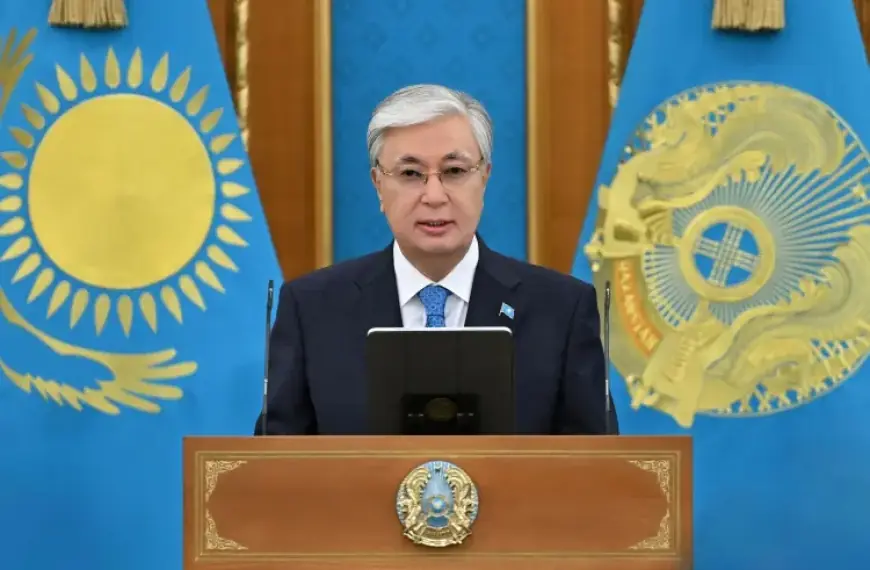
The President of Kazakhstan, Kassym-Jomart Tokayev, has introduced significant constitutional reforms addressing the nation’s parliamentary structure. This announcement was made during the fifth session of the National Congress on January 20, 2023, in Kyzylorda.
Kazakhstan’s New Constitutional Framework
One major reform involves the establishment of a new unicameral parliament called the Congress (Qurultay). This streamlined body will consist of 145 seats, three vice-presidents, and up to eight committees.
- Current Parliament: 98-member Assembly (Majlis) and 40-member Senate
- New Congress Structure: 145 seats and enhanced functional efficiency
- Deputy Terms: Five years
Proportional Representation and Political Accountability
Tokayev has proposed that deputies be elected through a system of proportional representation. This change is aimed at strengthening political parties’ roles and increasing their accountability to the public.
While some political factions advocate for this proportional system to be applied at all levels of local government (maslikhat), Tokayev contends that the majority system should be retained in the regions.
Formation of the People’s Council
Another significant change is the abolition of the presidential quota and the reserved quota for the People’s Assembly. A new consultative body called the People’s Council (Khalyk Kenesi) will be established to represent various ethnic groups and major social communities.
- People’s Council Composition: 126 members
- Division of Representatives: 42 from ethno-cultural associations, 42 from maslikhat, and 42 from public organizations
- Meeting Frequency: Once a year
Reinstatement of the Vice Presidency
The office of Vice President, which was previously in place between 1991 and 1996, will also be reinstated. This move replaces the current State Councilor position.
Presidential Election Protocols
In addition to these reforms, Tokayev has proposed that the Constitution stipulate the necessity of extraordinary presidential elections if the president’s powers are prematurely terminated. Currently, power succession is managed through the Senate president and subsequently other officials.
Enhancing Transparency in Power Transfer
Tokayev emphasized the importance of ensuring that any head of state is elected legitimately. He stated that the amendment would enhance transparency and contribute to institutional stability in Kazakhstan.
Implications of the Reforms
These extensive reforms are being likened to the adoption of a new Constitution, with plans to revise approximately 40 articles. Tokayev commented that previous amendments in 2022 had updated 33 articles, indicating a trend towards more substantive changes.
A Constitutional Commission will be established to oversee this process, consisting of over 100 members from various sectors, including prominent jurists and media executives. This commission will be responsible for reviewing reforms and proposing amendments, ultimately deciding on the timing of a potential national referendum.