Democrats Approve DHS Funding, Imposing Modest ICE Restrictions

In a recent development, Democrats have approved a spending bill for the Department of Homeland Security (DHS), which introduces limited restrictions on Immigration and Customs Enforcement (ICE). This bipartisan effort comes amid concerns that extreme measures, such as shutting down DHS, would fail to curb Trump’s immigration policies.
Key Points from the DHS Funding Bill
- The DHS funding bill amounts to $64 billion.
- ICE funding remains flat at $10 billion compared to last year.
- Customs and Border Protection (CBP) funding is set at $18 billion, which is $1 billion less than the Trump’s administration request.
- The bill mandates $20 million for body-worn cameras for ICE and CBP officers.
- New training is required for de-escalation and reinforcing citizens’ rights to record interactions with officers.
Democratic Concerns about ICE
Democrats have expressed dissatisfaction over ICE’s actions, especially following an incident where an ICE agent fatally shot a woman in Minneapolis. Representative Ayanna Pressley criticized ICE as “unconstitutional” and “cruel,” underscoring the agency’s aggressive approach to immigration enforcement.
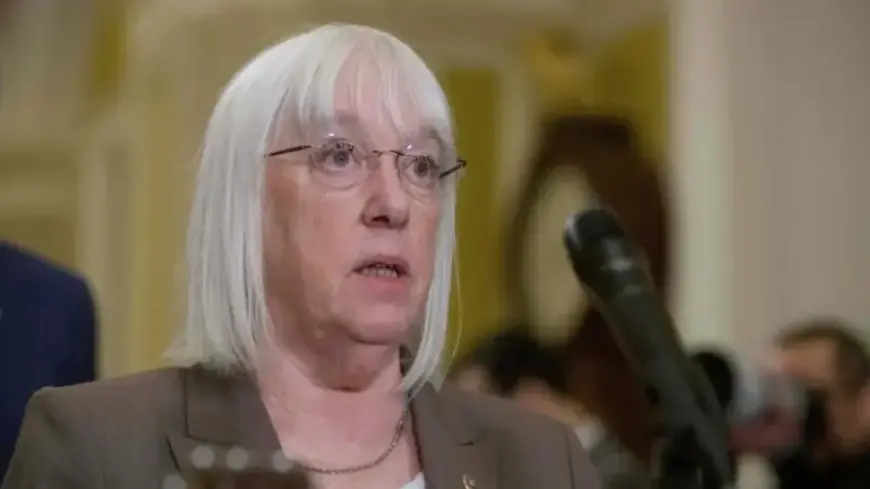
Senator Patty Murray, who leads the Senate Appropriations Committee, articulated that simply shutting down DHS would not put a stop to the ongoing immigration crackdown. She emphasized that ICE currently has access to a substantial $75 billion from previous funding, which undermines the impact of new spending provisions.
The Path Forward
DHS is facing a funding deadline of January 30. Lawmakers are actively working to finalize the necessary funding to prevent a government shutdown. Rep. Rosa DeLauro highlighted the potential fallout of failing to fund DHS adequately, stating that delays could impact Transportation Security Administration (TSA) operations, Federal Emergency Management Agency (FEMA) assistance, and even the U.S. Coast Guard.
As Democrats navigate these tense negotiations, the overarching goal remains to regain political leverage by focusing on the state of the economy leading up to the 2026 midterm elections, amidst escalating frustration regarding ICE’s funding and enforcement practices.