






















Europe Could Embrace Trump’s Tactics to Secure Greenland’s Future

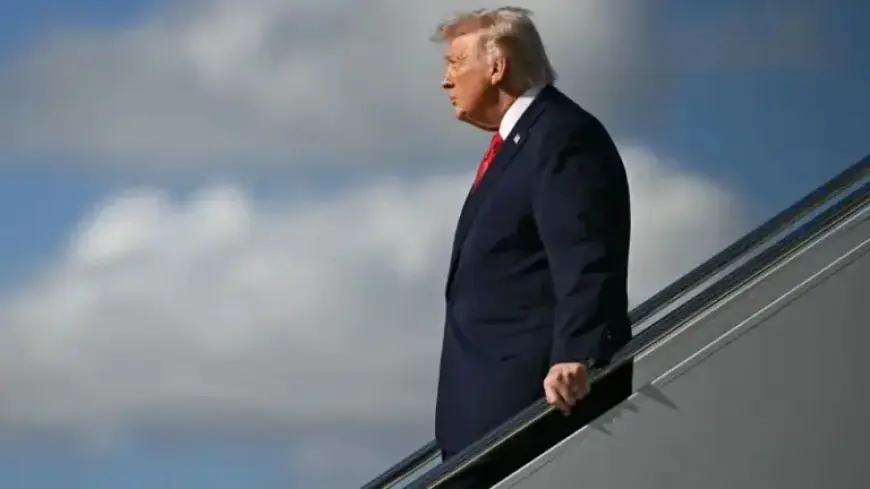
Amid escalating geopolitical tensions, the debate surrounding Greenland’s future continues to gain prominence. Former U.S. President Donald Trump has reignited interest in the semiautonomous Danish territory, raising alarms among European leaders.
Trump’s Intrigue with Greenland
Donald Trump’s persistent interest in acquiring Greenland represents a significant diplomatic challenge. Experts believe this move reflects a broader strategy of asymmetric negotiation tactics. As Trump has demonstrated, traditional diplomatic methods may not suffice against his unconventional approach.
European Leaders Voice Concerns
European officials are increasingly wary of Trump’s demands. Rasmus Jarlov, a member of the Danish parliament, emphasized that conceding to Trump’s requests would undermine Denmark’s sovereignty. He stated, “This madness mustn’t escalate any further than it already has.”
- Trump’s motivations include a desire for geopolitical expansion and securing military advantages.
- He falsely claims that Greenland is vulnerable to invasion by powers like Russia or China.
- Denmark has historically defended Greenland under NATO agreements, complicating Trump’s narrative.
NATO and European Unity
The implications for NATO are profound. Trump’s assertion that the U.S. could leverage NATO for its ends raises concern among member nations. Many European leaders believe a united front is essential to counteract Trump’s aggressive bargaining style.
Trade War Threats
Some European nations are exploring retaliatory measures, including sanctions and trade boycotts. French President Emmanuel Macron has suggested activating the EU’s “trade bazooka” to safeguard European interests.
- Potential countermeasures could include:
- Tariffs on U.S. goods.
- Restrictions on American access to EU markets.
- A boycott of events such as the FIFA World Cup co-hosted by the U.S.
Geopolitical Tensions and Future Scenarios
The ongoing conflict over Greenland highlights broader disputes regarding U.S. foreign policy. Trump’s fixation on acquiring the territory seems intertwined with his quest for personal validation and historical significance. This self-interest has provoked skepticism regarding his mental state and decision-making capabilities.
In navigating this tumultuous landscape, European leaders must weigh their options carefully. A full-scale trade war could have catastrophic consequences for both the U.S. and European economies.
As tensions rise, the question remains: can Europe adopt alternative strategies to effectively respond to Trump’s demands regarding Greenland? The stakes are high, as NATO’s future and international diplomatic equilibrium hang in the balance.