
























Key Insights on Gaza’s Board of Peace

President Trump’s recent announcement about the formation of a “Board of Peace” to oversee ceasefires in Gaza has raised eyebrows globally. This initiative seems to aim at not only addressing immediate conflicts but also providing long-term solutions to various global disputes.
Overview of the Board of Peace
The Board of Peace, recently conceptualized by President Trump, intends to facilitate peace efforts, particularly in the Gaza Strip, where ongoing tensions exist. Its proposed mission goes beyond Gaza, aiming to “secure enduring peace in areas affected or threatened by conflict.”
Membership and Participation
The Board of Peace has invited several countries to join, including:
- United Kingdom
- Jordan
- Russia
- Canada
- Saudi Arabia
- France
However, notable absences include Palestinian representation, as the current structure does not include any Palestinian members. This oversight has sparked criticism, considering the board’s role in overseeing Gaza.
Financial Aspects of Membership
Countries wishing to acquire permanent membership must contribute more than $1 billion to fund operations in the first year. Alternatively, they can opt for a three-year free membership. Critics question the feasibility and intent behind such significant financial commitments, raising concerns about potential U.S. dominance in international peacekeeping efforts.
Role and Authority
As designated chairman, President Trump wields significant influence over the Board of Peace. According to the charter:
- Mr. Trump can appoint members to a subordinate Executive Board.
- He possesses considerable veto power over the board’s activities.
- He can enact resolutions to pursue the board’s mission and create or dissolve subsidiary entities.
This concentration of power has led to debates about the board’s relationship with the United Nations, particularly as some nations, such as France, express hesitance about joining due to concerns regarding U.N. authority.
International Reactions
Initial responses to the proposal have been mixed. Leaders like Argentina’s President Javier Milei and Hungary’s Prime Minister Viktor Orban have shown willingness to participate. In contrast, France, wary of undermining the U.N.’s role, is currently refraining from engagement. Tensions have also surfaced, with President Trump reportedly threatening to impose heavy tariffs on French wine should they decline his invitation.
Implementation in Gaza
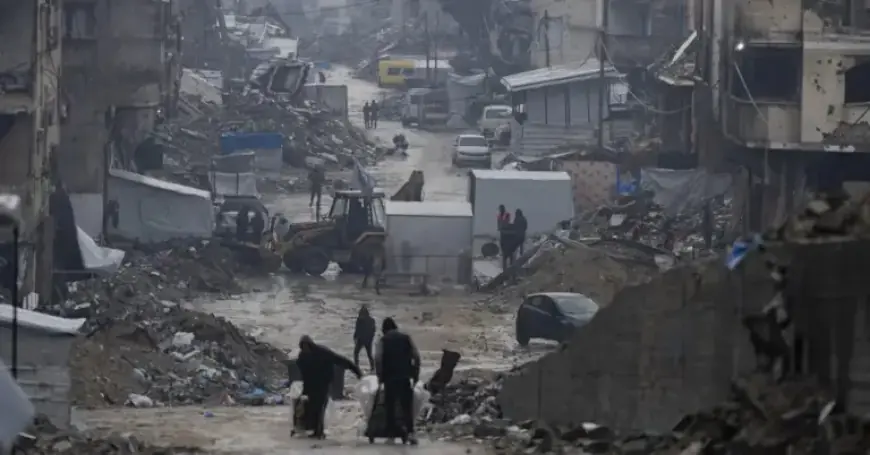
Though details remain sparse, the Board of Peace has initiated subcommittees to operationalize the peace plan in Gaza. A newly formed Gaza Executive Board includes prominent figures such as Jared Kushner and Steve Witkoff, along with officials from Qatar and Egypt. Israel’s discontent with the inclusion of Qatar and Turkey signals existing geopolitical tensions shaping the board’s effectiveness.
Ultimately, the Board of Peace is positioned as a significant player in international conflict resolution. Its future functionality will depend on the support it garners from nations worldwide, especially those most directly involved in the Gaza situation.