Avoid Damaging Your Car: Never Plug This Tiny Device into USB Port

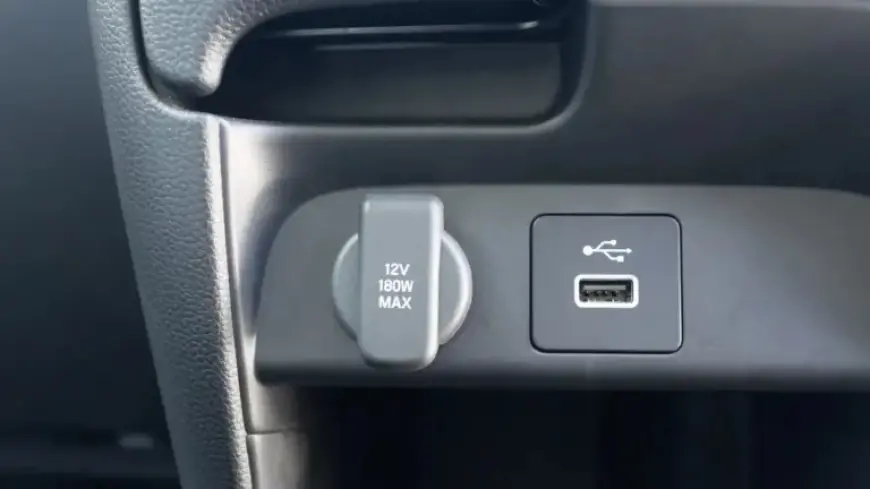
Modern vehicles have incorporated USB ports since the late 2000s, allowing users to charge devices and connect to infotainment systems. While these ports facilitate connectivity for various purposes, it is crucial to note that certain devices can damage your car’s electronics.
Avoid Damaging Your Car: Never Plug This Tiny Device into USB Port
Among the devices to avoid is the notorious USB killer. This detrimental gadget has gained attention on platforms like YouTube and various online retail spaces. Once connected to a USB port, it can render any electronic device nonfunctional.
The Risks of a USB Killer
Testing conducted by tech YouTuber EverythingApplePro showcased the potential hazards of employing a USB killer on a 2016 Nissan GT-R. After plugging in the device, the car’s infotainment system rebooted. Although the infotainment appeared unaffected, the USB port was permanently damaged, losing its ability to charge devices.
How USB Killers Operate
USB killers exploit a vulnerability in the Universal Serial Bus standard. By utilizing a DC to DC converter, they can deliver up to 200 volts through the USB port. This surge significantly exceeds the 15 volts typically run by laptop batteries and the 4 volts used by most smartphones.
Identifying USB Killers
- Many USB air ionizers may masquerade as USB killers.
- Distinguishing a USB killer from ordinary devices can be challenging due to similar designs.
- Only use devices explicitly labeled as USB killers in controlled testing environments.
Purchasing any USB device requires caution. Always verify the seller’s credibility, and exercise due diligence to prevent accidental damage to your car’s electronics. Keeping your vehicle safe means steering clear of harmful devices that can disrupt your driving experience.