Trey Miguel Acknowledges Past Controversies Influenced AEW Departure

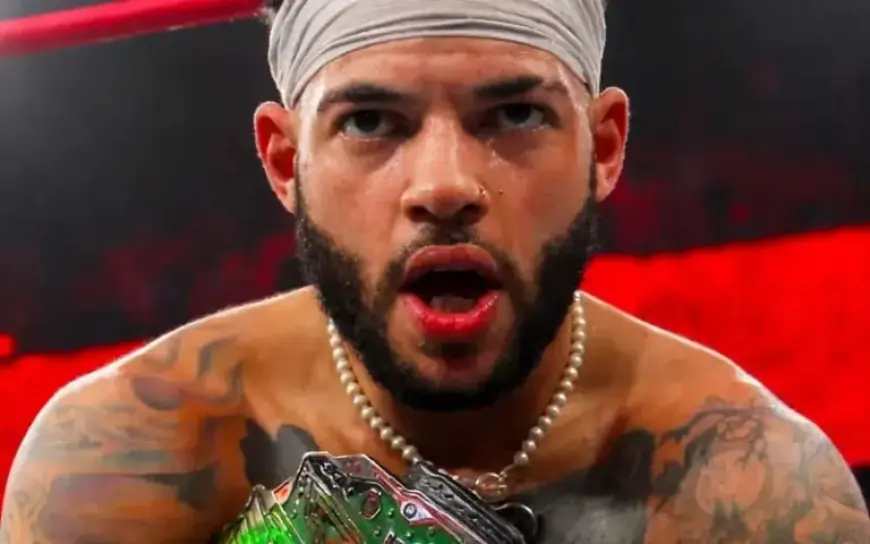
Trey Miguel’s departure from AEW has raised questions about the underlying reasons for his release. While on the surface, it appeared to stem from creative differences or personal burnout, Miguel’s recent comments suggest a deeper connection to his past controversies.
Trey Miguel Acknowledges Past Controversies Influenced AEW Departure
On January 19, 2026, Trey Miguel took to Twitter, addressing his recent release from AEW. In his post, he hinted that previous controversial statements on social media may have played a role in his exit. He stated, “I’ve made a lot of mistakes in my time” and emphasized his belief in forgiveness and personal growth.
Details of His Release
Just one day before Miguel’s Twitter statement, Sean Ross Sapp from Fightful Select confirmed the news of his quiet release from AEW. This decision was notably close to the January 17 episode of AEW Collision, during which his programming mates from the Rascalz—Zachary Wentz, Dezmond Xavier, and Myron Reed—made their debut. Miguel, however, was absent from the event, raising concerns among fans.
Past Controversies
Miguel’s history includes a series of troubling incidents that may have contributed to AEW’s decision. Notably:
- In 2020, he faced backlash for homophobic remarks made during a confrontation on Facebook. His comments, which likened being gay to being unattractive, drew widespread condemnation.
- In 2019, he was criticized for anti-Semitic comments made during a Twitter exchange with David Starr, where he mocked Starr’s visits to Holocaust memorials.
Following these incidents, Miguel issued apologies, affirming that he did not wish to contribute to negativity and asserting that he had changed as a person. Nevertheless, the public’s reaction to his past comments remains significant.
Current Situation and Public Reaction
With Miguel now off the AEW roster, the narrative surrounding him has shifted from confusion to criticism. His acknowledgment of past mistakes suggests that accountability matters in professional wrestling, especially in an age of heightened public scrutiny.
The situation invites reflections on whether companies like AEW should grant talent more leeway for growth following past mistakes. Fans are encouraged to share their opinions on this matter, as the wrestling community navigates the complexities of public image and redemption.