





















Analyzing Donald Trump’s Greenland Proposal: A Line-by-Line Breakdown

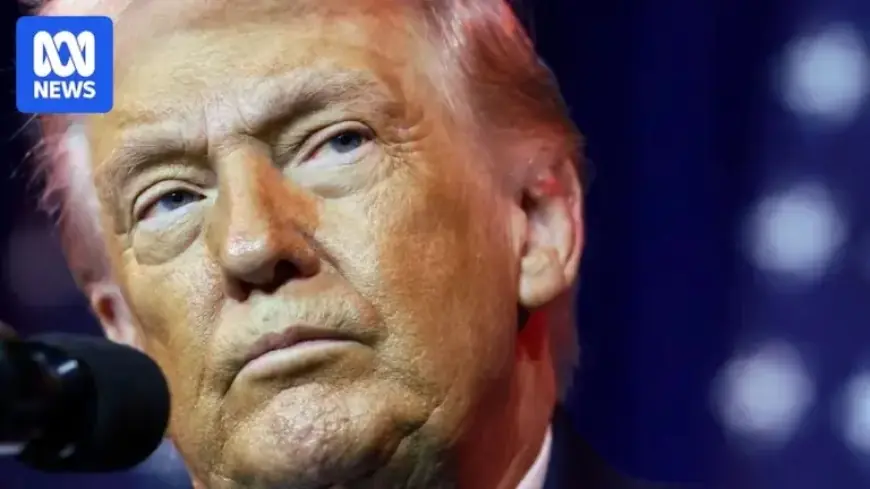
A recent leak has unveiled a striking six-line message from US President Donald Trump to Norway’s Prime Minister Jonas Gahr Støre. The correspondence has intensified discussions about Trump’s controversial interest in Greenland and its geopolitical implications.
Key Points from Trump’s Greenland Proposal
In his message, Trump expressed frustration over not receiving the Nobel Peace Prize. He claims this oversight has prompted him to reassess his obligations concerning peace. His letter stated:
“Considering your Country decided not to give me the Nobel Peace Prize for having stopped 8 Wars PLUS, I no longer feel an obligation to think purely of Peace.”
This statement reflects his belief that military and territorial control aspects should also be considered.
Misconceptions About the Nobel Prize
- The Nobel Peace Prize is awarded by an independent committee, not the Norwegian government.
- Trump has incorrectly stated that he has stopped eight wars, a claim countered by experts.
- The US has facilitated ceasefires, but some conflicts resumed post-brokerage.
Geopolitical Context of Greenland
Greenland is an autonomous territory of Denmark, which is also a NATO member. An attack on Greenland would prompt a serious NATO response. Analysts suggest there is no imminent threat from Russia or China regarding this territory.
The Historical Perspective
- Denmark has governed Greenland since the early 18th century.
- The US acknowledged Denmark’s sovereignty in a formal 1916 declaration.
- US exploration of Greenland began in the 1880s.
Trump’s NATO Remarks
In his message, Trump asserted he has contributed more to NATO than any other leader. He demanded that NATO reciprocate by recognizing the US’s strategic interests in Greenland.
Greenland, home to approximately 56,000 inhabitants, continues to be a focal point of global interest. The recent revelations surrounding Trump’s intentions bring to light the complexities of international relations involving the Arctic region.