Asus Announces Indefinite Hiatus for Smartphone Division

Asus has officially announced an indefinite hiatus for its smartphone division. This decision, confirmed by chairman Jonney Shih, marks a significant shift in the company’s strategy. During a 2026 kick-off event in Taiwan, Shih detailed Asus’ plans to redirect its focus toward artificial intelligence products, such as robots and smart glasses.
End of an Era for Asus Smartphones
Asus will no longer introduce new mobile phone models. This includes popular lines such as the Zenfone and ROG Phone. The company faced decreasing interest in its mobile offerings, which likely influenced this decision.
Market Context and Challenges
The smartphone market is highly competitive, and Asus struggled to maintain a foothold. The Zenfone series was known for being smaller and more affordable compared to rivals. However, Asus’ update and support policies lagged behind market leaders.
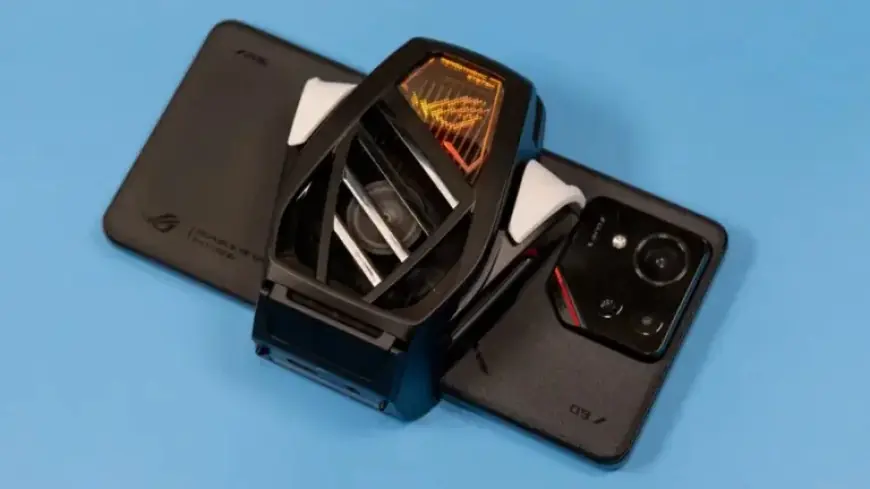
The ROG Phone series carved a niche in mobile gaming, equipped with powerful chipsets and unique features. Despite its innovations, the high pricing—such as the ROG Phone 9 Pro starting at $1,200—meant limited appeal among gamers.
- Zenfone devices: Known for low prices but limited support.
- ROG Phone series: Targeted at gamers but faced high costs.
Future of Existing Devices
For existing Asus users, updates will continue. However, the commitment is modest; the ROG Phone 9 Pro is promised only two OS updates and five years of security patches. Meanwhile, the latest Zenfones are set to receive just two Android version updates and four years of security support.
Implications of Asus’ Departure
Shih’s remarks indicate that without significant industry changes, Asus will remain out of the smartphone market. This move reflects a broader trend among manufacturers, as many are reassessing their positions amidst shifting consumer behaviors toward less frequent phone upgrades.
Asus’ indefinite hiatus from the smartphone business encapsulates the challenges faced in a saturated market. The company’s pivot to AI-enhanced technologies signals a strategic realignment that may offer new opportunities beyond mobile devices.