Trump’s Healthcare Plan Disappoints After Long Anticipation

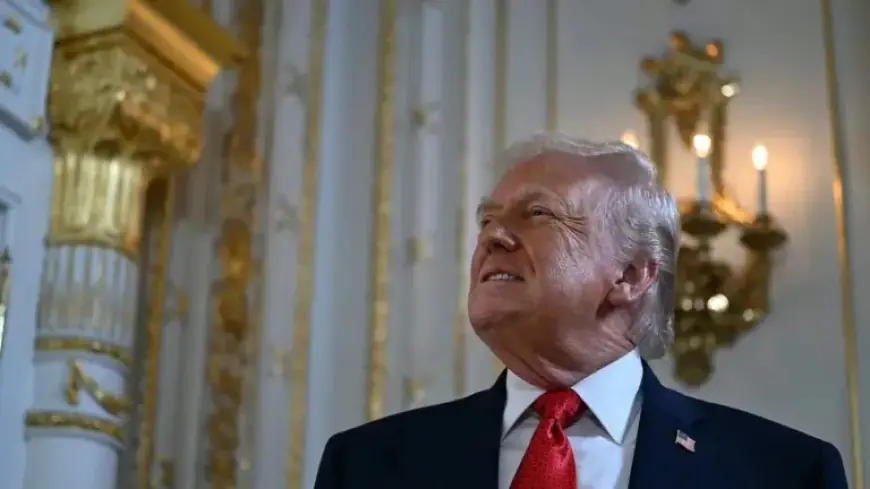
The long-anticipated healthcare reform from former President Donald Trump, dubbed “The Great Healthcare Plan,” arrived recently, but it has left many disappointed. Despite years of promises, the released plan lacks substantive reform and clarity.
Key Components of Trump’s Healthcare Plan
The proposal claims to reform the healthcare system but instead offers vague statements that confuse more than clarify. Here are some notable assertions and components:
- Government Payments: Trump suggests that the government will pay individuals directly, allowing them to purchase private healthcare. The feasibility of this approach remains unclear.
- Cost Sharing Reduction Program: The plan proposes to restore funding for the ACA’s Cost Sharing Reduction program, potentially lowering premiums by 10-15% for certain plans.
- Prescription Drug Prices: There are promises to align U.S. drug prices with those in other countries, though how this would be achieved is unspecified.
- Cost Transparency: Healthcare providers would be required to post prices for treatments, similar to fast-food menus.
- Over-the-Counter Medications: The plan includes suggestions to make more pharmaceuticals available without prescriptions.
Analysis of Effectiveness
While the plan presents some seemingly reasonable ideas, it fails to address crucial issues, such as the millions who remain uninsured. Fundamental problems within the U.S. healthcare system remain unexamined.
Historically, Trump has shown minimal understanding of healthcare complexities. His past comments reveal surprise at the intricacies of healthcare policy, suggesting a lack of engagement with the topic.
Public Perception and Political Implications
Polls indicate that the public mainly desires secure access to healthcare services rather than market-driven competition. Trump’s plan seems misaligned with these needs, reflecting outdated Republican ideals about free-market healthcare.
In comparison, other industrialized nations achieve better outcomes through more government involvement, an approach Trump and his allies have not adopted.
Conclusion
Ultimately, the release of Trump’s healthcare plan appears more about optics than genuine policy reform. As political leaders evaluate its implications, many people remain skeptical about whether the promises made will translate into meaningful changes in the healthcare landscape.