Turkey Gains Strategic Advantage with Syria-Kurdish Forces Agreement

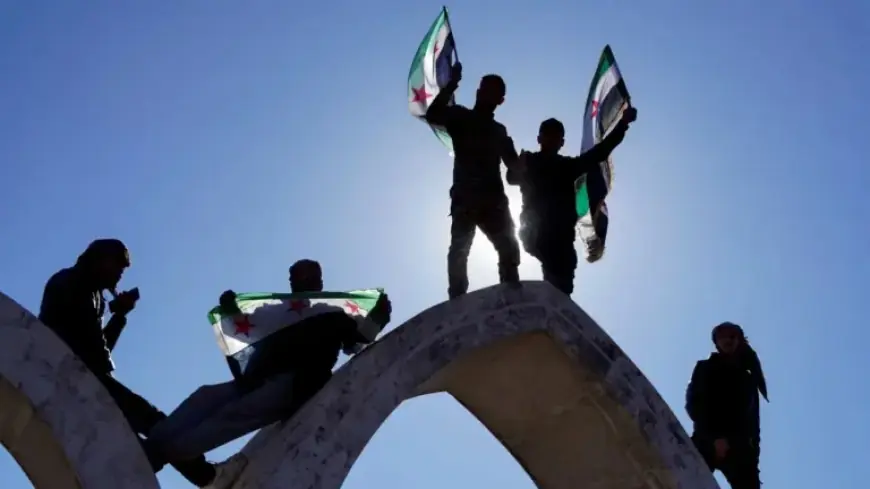
In November, Turkish Foreign Minister Hakan Fidan returned to Turkey after high-level discussions in Washington about Syria. He reported a positive alignment with U.S. officials on various Syrian issues, highlighting a clear understanding after thorough discussions. Fidan participated in a meeting involving Syrian President Ahmed al-Sharaa and U.S. President Donald Trump, which solidified Turkey’s strategic interests in the region.
Turkey’s Strategic Advantage with Syria-Kurdish Forces Agreement
Following these meetings, significant developments unfolded in Syria. The Syrian military initiated operations in Aleppo, targeting areas held by the U.S.-backed Syrian Democratic Forces (SDF). This operation followed accusations by Damascus against the SDF for civilian casualties. Despite prior cooperation, U.S. officials appeared to back the Syrian army’s advance, reflecting a shift in support dynamics.
Background of SDF and U.S. Involvement
- The SDF has been a crucial ally for the U.S. in combating the Islamic State since 2015.
- U.S. forces maintain military installations in northeastern Syria to support the SDF and secure oil resources.
Experts suggest that the Syrian army’s offensive against the SDF was unlikely without implicit U.S. approval. Turkey has long urged the SDF to comply with the 10 March Agreement, which calls for the integration of SDF into Syrian state structures.
Recent Developments and SDF’s Stance
Negotiations between the SDF and the Syrian government stagnated, provoking frustration in Turkey. The Syrian military’s sequence of operations spread toward the Euphrates River, looking to expel the SDF from strategic areas. Concurrently, growing dissent from Arab tribes erupted against the SDF, citing grievances over governance.
In response to these tensions, al-Sharaa issued a proclamation to secure cultural rights for the Kurds. A ceasefire was later negotiated, which addressed Turkey’s security concerns regarding the SDF.
Key Points of the Agreement
- The agreement mandates the individual integration of SDF members into Syria’s defense and interior ministries.
- Control of crucial oil and gas fields will return to the Syrian government.
- Administrative functions in Kurdish-majority regions will revert to Damascus.
- The SDF will only maintain internal security duties in Hasakah and hand over border control to Syrian armed forces.
- All non-Syrian PKK members must be expelled from SDF ranks.
This accord signals a potential end to Turkey’s major concerns about a PKK-affiliated entity forming in northern Syria while also promising limited autonomy for local Kurdish governance.
Implications for Turkey and Regional Dynamics
The effective enforcement of this agreement could unlock new avenues for Turkey’s own peace initiatives with the PKK. Despite previous deadlocks, there is cautious optimism that these developments will foster a renewed dialogue aimed at disarmament and reintegration.
The situation is evolving, with Turkish officials distinguishing pragmatism in SDF leadership from the more hardline PKK leadership in Iraq, potentially paving the way for more amicable relations moving forward.
The agreement also distances the SDF from Israeli support, addressing broader geopolitical dynamics in the region. Observers remain keenly aware of the next steps in this complicated landscape, as continued dialogue and conflict resolution remain paramount.