GLP-1s Transforming Chain Restaurant Menus Quietly

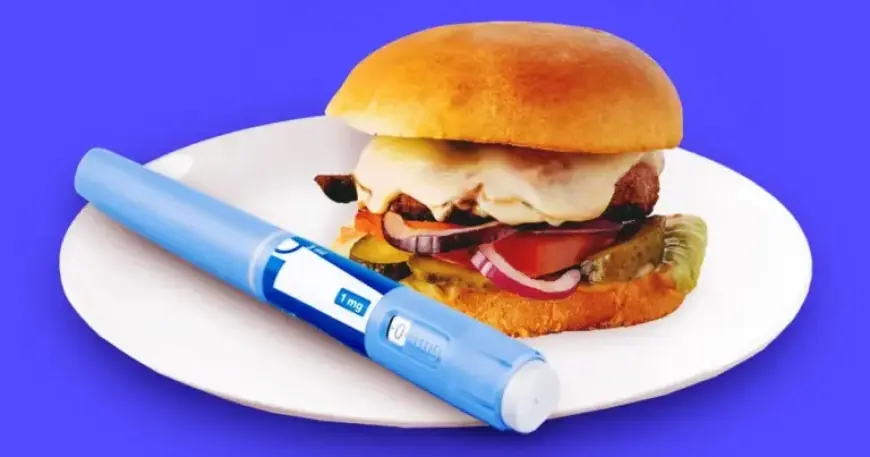
Recent changes in restaurant menus reflect the growing influence of GLP-1 medications, which have transformed how many approach dining out. These drugs, initially designed for diabetes treatment, are now popular weight-loss aids, impacting consumer preferences for meals.
GLP-1 Drugs and Menu Changes
GLP-1 medications like Wegovy and Zepbound help reduce appetite and promote higher protein intake. As these drugs gain mainstream popularity, national restaurant chains are adapting by offering smaller portions at lower prices. This trend is evident in major dining establishments across the United States.
Restaurant Innovations
- Smoothie King: Introduced a GLP-1 menu featuring smoothies rich in protein and fiber, and with zero added sugar.
- Olive Garden: Launched a “lighter portion” section in December, with seven dishes at reduced portions and prices.
- Chipotle: Offers a high-protein menu with options like a cubed chicken serving containing 32 grams of protein.
- Shake Shack: Features a “Good Fit Menu” with lettuce-wrapped burgers to accommodate dietary trends.
- Subway: Recently added “Protein Pockets,” snack wraps boasting over 20 grams of protein each.
The Connection between GLP-1 Usage and Eating Habits
Experts highlight that those using GLP-1s generally prioritize protein-rich foods. Jenna Werner, a registered dietitian, notes that protein helps maintain muscle mass and keeps diners fuller longer. This synergy makes it essential for individuals on these medications to choose nutrient-dense meals.
Growing Popularity of Protein
The recent shift towards higher protein consumption aligns with new U.S. dietary guidelines, which recommend 1.2 to 1.6 grams of protein per kilogram of body weight daily. This change appeals to both GLP-1 users and others seeking healthier options.
Key Restaurant Insights
- Subway: Introduced Protein Pockets in 96% of U.S. locations to meet consumer demand for high protein and low-calorie choices.
- Olive Garden: Smaller portion options provide guests with more choices while accommodating those on GLP-1s.
- Chipotle: The “High Protein Cup” responds to a significant move toward protein-rich, snack-sized dining.
Considering Nutritional Balance
Despite the push for more protein, dietitians warn against overemphasis on this macronutrient. Werner cautions that balanced meals should also include carbohydrates, fats, and micronutrients. Many restaurant items marketed as healthy may still contain high levels of calories and sodium.
As GLP-1 usage grows, the dining landscape is shifting. Consumers are increasingly seeking menu items that reflect their changing nutritional needs. Restaurants are responding to this demand by prioritizing protein, smaller portion sizes, and healthier options. This trend not only caters to those on dietary medications but resonates with a broader health-conscious audience.