Discover Which Popular Grocery Chains Are Owned by Kroger

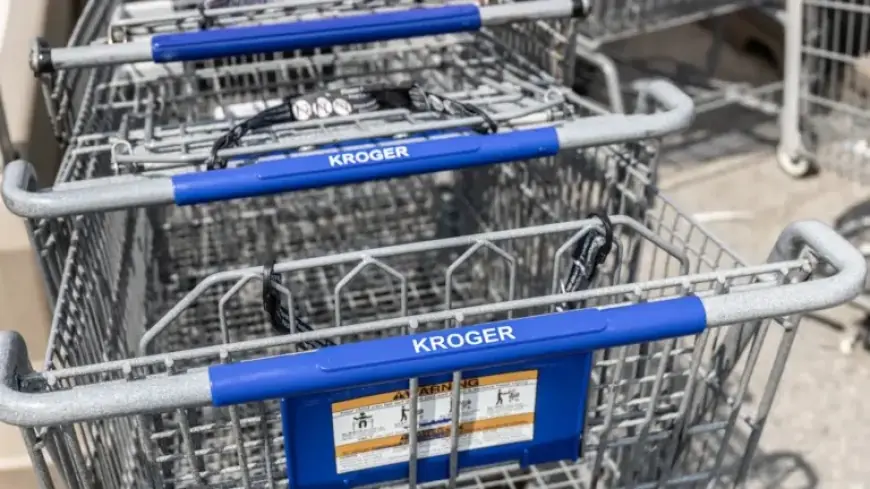
Many shoppers are unaware that a variety of well-known grocery chains in the United States are actually owned by Kroger. This corporate giant represents not just the oldest grocery chain in the nation but also the largest grocery operator, with thousands of stores across 35 states and Washington, D.C.
Grocery Chains Owned by Kroger
Kroger manages several regional grocery brands, allowing it to maintain a local feel while operating as a national entity. Here is a list of popular grocery chains under the Kroger umbrella:
- Ralphs (California)
- King Soopers (Colorado)
- Fry’s (Arizona)
- Smith’s (Western states)
- Fred Meyer (Pacific Northwest)
- QFC (Pacific Northwest)
- Food 4 Less (California)
- Dillons (Kansas)
- Pic’ n Save (Wisconsin)
- Metro Market (Wisconsin)
Despite the varying store names and layouts, the shopping experience remains familiar, reinforcing Kroger’s substantial influence on the grocery industry.
Impacts of the Failed Merger
In a significant business move, Kroger attempted to merge with Albertsons in a deal valued at approximately $24.6 billion. This merger aimed to enhance competitiveness against larger retailers like Walmart, Costco, and Amazon. However, the proposed merger faced severe opposition from regulators and several states, who expressed concerns about potential market monopolies and rising prices.
Kroger and Albertsons collectively operate over 5,000 grocery stores and employ about 700,000 individuals. The deal was ultimately abandoned due to regulatory pushback from the Federal Trade Commission (FTC) and labor unions.
Store Closures and Local Impact
Following the abandonment of the merger, many Kroger-operated stores began to close. By mid-2025, the company announced plans to shut down up to 60 locations over an 18-month period. Reports indicate these closures are happening across at least 11 states, contributing to a broader trend of grocery store shut-downs, impacting not only Kroger but other chains like Safeway as well.
Consumers are feeling the impact as familiar grocery options diminish in their communities, raising concerns about food accessibility and overall market competition.