Germany Launches €3bn EV Support Initiative for Chinese Automakers

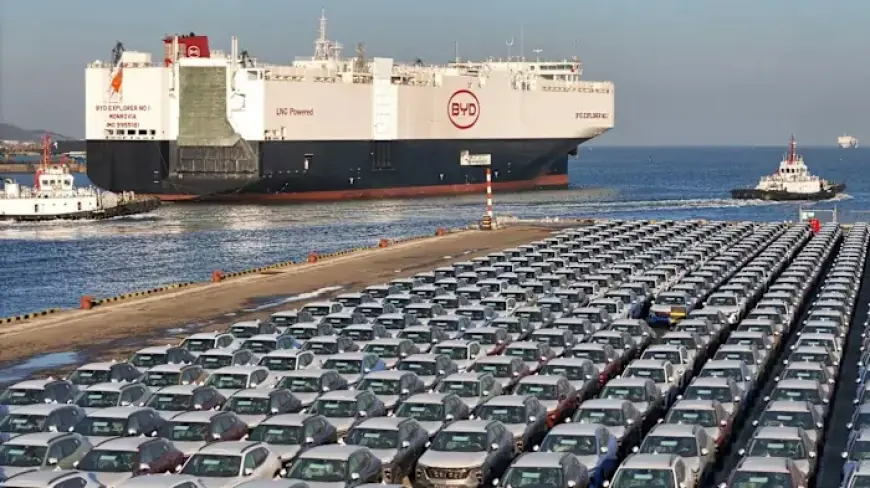
Germany has launched a new electric vehicle (EV) support initiative valued at €3 billion, which is set to bolster the automotive sector. This program is notable for its inclusivity, as it allows participation from all manufacturers, including Chinese carmakers. The initiative aims to rejuvenate the EV market, which has experienced fluctuations in recent years.
Details of the €3bn EV Support Initiative
The support scheme is effective retroactively from the beginning of 2024 and will run until 2029. Environment Minister Carsten Schneider highlighted that this program will not impose any geographical restrictions.
- The initiative will facilitate the purchase or lease of approximately 800,000 new electric vehicles.
- Subsidies will range from €1,500 to €6,000 based on household size and taxable income.
- Eligible vehicles include both battery-electric models and plug-in hybrids, as long as they meet emissions criteria.
Impact on the Market
This new support program responds to industry demands following the abrupt termination of the previous subsidy scheme at the end of 2023. The withdrawal led to a 27% decline in battery car sales in early 2024, though there has been a noticeable recovery. By 2025, Germany recorded about 545,000 new battery vehicle registrations—an increase compared to 2023.
Chinese Automakers in Germany
Despite the challenges posed by EU anti-subsidy tariffs, Chinese manufacturers are slowly penetrating the German market. In 2025, BYD, a notable Chinese carmaker, sold approximately 23,000 vehicles in Germany. This figure, while impressive, still represents less than 1% of the total automotive market.
Contrast with Other Nations
The German government’s approach stands in stark contrast to that of the United Kingdom, which has implemented stricter rules that limit the presence of Chinese manufacturers in its EV market. This difference highlights Germany’s strategy to remain competitive without imposing restrictions on foreign entrants.
Industry Reactions
The VDA, a prominent German automotive industry lobby group, expressed support for the new initiative. However, they cautioned that without enhancements to infrastructure, such as a robust charging network and affordable energy, the program could be ineffective in the long term. VDA President Hildegard Müller emphasized the necessity of these factors for sustainable growth in electromobility.
As Germany embarks on this significant push for electric vehicles, the outcomes of the initiative will likely have a lasting impact on both domestic and international car manufacturers.