Trump’s Proposed 10% Card Rate Cap: How It Affects You

The ongoing debate surrounding credit card interest rates has taken a significant turn with former President Donald Trump’s proposal for a 10% cap on card rates. This proposal has garnered attention from multiple political fronts, uniting both conservatives and progressives in a rare moment of agreement. Advocates argue the cap could alleviate financial burdens for millions of Americans.
Understanding the 10% Card Rate Cap Proposal
Trump’s suggestion comes amid rising concerns about consumer debt and financial instability. Many individuals struggle with the high-interest rates typically associated with credit cards, which can reach as much as 25% or more. A cap at 10% would represent a substantial reduction.
Key Implications for Consumers
- Lower Monthly Payments: With interest rates capped at 10%, families could see their monthly payments decrease significantly.
- Increased Borrowing Power: Lower rates might encourage consumers to borrow more, promoting economic activity.
- Financial Freedom: Capping rates could help individuals pay off debts faster and improve their financial health.
Potential Challenges Ahead
While the proposed cap has its supporters, it also faces criticism. Financial institutions have warned that such caps could disrupt the market. They argue that it may limit credit availability or lead to increased fees in other areas.
Reactions from Wall Street
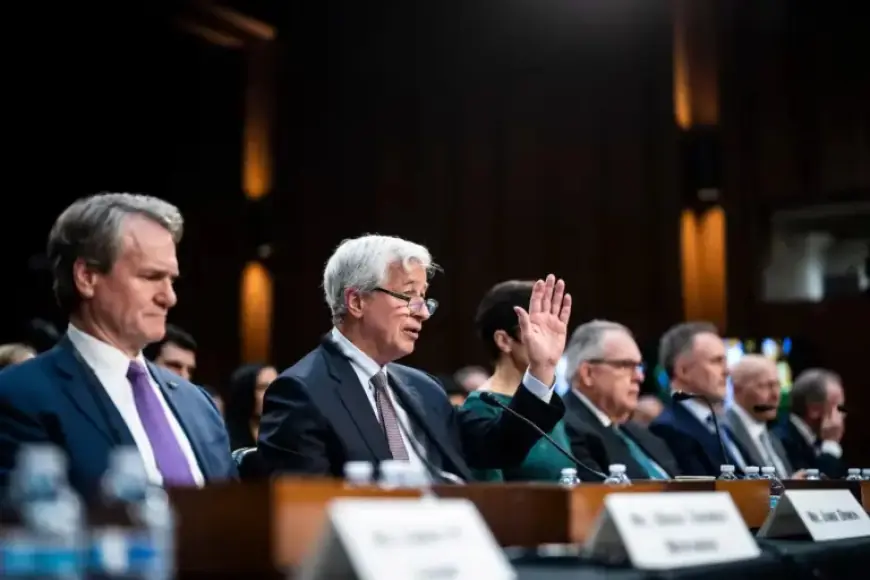
Wall Street professionals recognize the proposal as a challenge to their profit margins. Banks often rely on high-interest rates as a substantial source of revenue. Implementing a cap may compel banks to rethink their lending strategies.
Broader Economic Impact
Ultimately, the proposal’s success depends on bipartisan support. Both ends of the political spectrum acknowledge the need for reform, but the method of implementation remains under discussion. If passed, the initiative could redefine credit card lending practices in the United States.
As the situation develops, many will be watching closely to see how this proposal unfolds and what it may mean for consumer financial health across the country.