DOJ to Charge Activists for Disrupting Church Led by Minnesota ICE Official

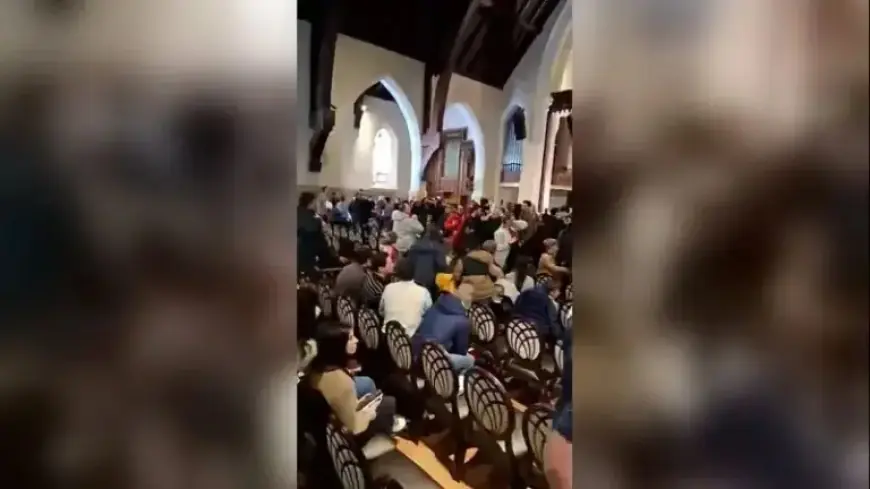
The U.S. Department of Justice (DOJ) has initiated an investigation into a recent protest that disrupted services at a church in St. Paul, Minnesota. This church, Cities Church, is reportedly linked to a local U.S. Immigration and Customs Enforcement (ICE) official serving as its pastor.
Background of the Protest
A group of activists, identified as Black Lives Matter Minnesota, livestreamed the protest on Facebook. Protesters interrupted the church service, chanting phrases like “ICE out” and “Justice for Renee Good.” These slogans reference the death of Renee Good, a 37-year-old mother who was shot by an ICE agent earlier this month amid increasing federal immigration enforcement actions.
Church and ICE Connection
David Easterwood, listed as a pastor at Cities Church, is also associated with the northern regional office of ICE in St. Paul. This connection has raised concerns among activists, as they criticize the church’s leadership and the violent tactics associated with federal immigration enforcement.
Statements from Officials
- Assistant Attorney General Harmeet Dhillon described the protest as a desecration of a place of worship.
- Attorney General Pam Bondi warned of potential prosecutions for any federal law violations during the protest.
Nekima Levy Armstrong, a protest participant and leader of the Racial Justice Network, condemned the DOJ’s investigation. She argued that the true issue lies with ICE’s operations and their impact on the community. Armstrong expressed disbelief that a religious leader would oversee such aggressive enforcement tactics.
ICE’s Response
ICE issued a statement labeling the protesters as “agitators” who are extending their actions to religious institutions. They defended their tactics, citing increased aggression towards federal agents.
Community Reaction
Community leader Monique Cullars-Doty criticized the investigation, questioning the morality of a church leader collaborating with ICE. She emphasized the need for activism against what she perceives as injustices within the community.
Conclusion
The situation underscores a growing tension between immigration enforcement activities and community activism in Minnesota. As the DOJ probes the actions of the protesters, both sides continue to express their concerns about the ramifications of these events.