









Kevin Byard, Courtney Cronin, and the Handshake That Lit Up the Bears’ Playoff Run — Plus Why Brett Favre Got Pulled Into the Debate

The Chicago Bears’ return to the playoffs has produced an unexpected side plot: a handshake. In the moments after Chicago’s wild-card win over Green Bay, cameras caught a lightning-quick, frosty midfield exchange between Bears head coach Ben Johnson and Packers coach Matt LaFleur. It was over in a blink, but it instantly became part of the story of the Bears’ postseason identity: edgy, emotional, and openly fueled by rivalry.
As the clip looped across social media, Bears coverage followed the same arc: What did the handshake mean, why was it so cold, and how much of this “we don’t like them” energy is sustainable as the stakes rise? The conversation also pulled in veteran safety Kevin Byard, whose steady leadership has been central to Chicago’s turnaround, and it even dragged a totally different football handshake back into view — Brett Favre’s awkward viral confrontation with Mark Gastineau.
The Bears Playoffs Angle: One Moment That Became a Message
Chicago’s 31–27 wild-card comeback win over Green Bay didn’t just punch a ticket to the next round; it re-ignited a rivalry that has often felt one-sided in the modern era. The Bears trailed 21–3 at halftime, then flipped the script with a second-half surge that made Soldier Field feel like it was shaking.
Right after the final whistle, though, the handshake became the first “postgame highlight.” Instead of the familiar long embrace or friendly pat on the back, the coaches met, touched hands, and separated almost immediately — a visual that matched the sharp tone that followed.
In the days afterward, Bears coach Ben Johnson leaned into the rivalry framing rather than smoothing it over. The effect was immediate: fans loved it, opponents noticed it, and the Bears’ next playoff game suddenly carried an extra layer of heat.
Courtney Cronin and the New Reality of NFL Storylines
A big reason the handshake traveled so far is how quickly modern NFL coverage turns a five-second clip into a weeklong storyline. Reporter Courtney Cronin, who covers the Bears closely, pressed the question directly in follow-up availability: what was behind the brief exchange, and was there something personal in the way Johnson approached the moment?
That line of questioning matters because it’s not really about etiquette. It’s about intent. In the playoffs, everything is messaging — to your locker room, to the opponent, to the league. The handshake became shorthand for a broader theme: the Bears aren’t trying to be liked, they’re trying to win.
Kevin Byard’s Role: Veteran Voice, Ball Production, and Edge Without Chaos
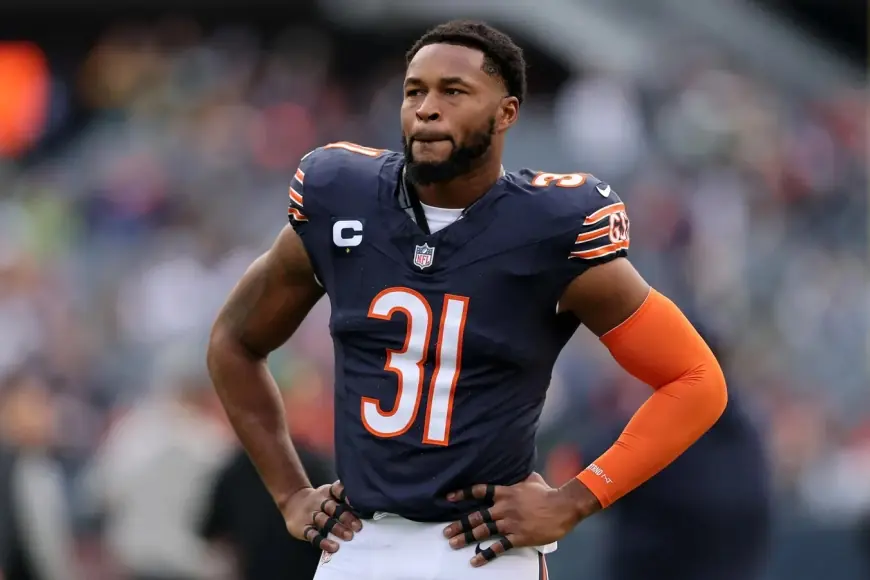
Kevin Byard sits at the center of this moment because he’s the kind of player who can translate emotion into execution. Chicago’s defense has been built around takeaways, and Byard’s season has reflected that identity: he’s been among the league’s most productive defensive backs and a tone-setter for a unit that thrives on opportunistic football.
After the win, Byard echoed the idea that the rivalry “noise” worked as fuel. That’s a delicate balance. Rivalry energy can sharpen focus, but it can also spill into penalties, blown coverages, and bad situational decisions. Chicago’s best version is the one Byard represents: intense, disciplined, and ready for the next snap.
If the Bears are going to make a real run, Byard’s steady influence matters as much as any headline moment. The deeper the playoffs go, the less forgiving the game becomes.
Why Brett Favre’s Name Popped Up in a Bears Handshake Week
Once the Bears–Packers handshake became a national topic, the internet did what it always does: it pulled older “awkward handshake” moments back into circulation. One of the most infamous involves Hall of Fame quarterback Brett Favre and former Jets pass rusher Mark Gastineau, tied to a long-running dispute over the Michael Strahan single-season sack record.
That Favre–Gastineau clip isn’t connected to the Bears directly, but it resurfaced as a comparison point — a reminder that handshakes in football aren’t always friendly rituals. Sometimes they’re a message, sometimes they’re a snub, and sometimes they’re a flashpoint for a grudge that’s been simmering for years.
What It Means for the Bears Going Forward
The Bears’ playoff path only gets tougher from here, with a divisional-round matchup looming against Los Angeles. Whether the handshake becomes a footnote or a defining symbol depends on what Chicago does next.
If the Bears keep winning, the handshake will be remembered as the start of a new era of swagger and belief. If they stumble, it becomes easy for critics to label it as unnecessary theatre. Either way, the moment revealed something real: this team is playing with an edge, and it’s not hiding it.