C.J. Stroud, Davis Mills, and the Texans QB Depth Chart After the Patriots Playoff Loss in Foxborough

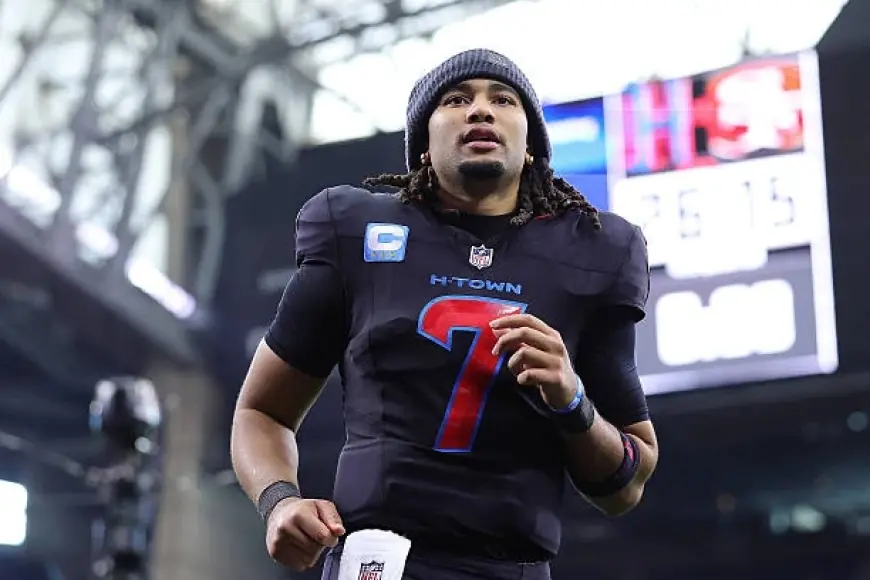
The Texans quarterback conversation shifted fast in the AFC Divisional matchup at Gillette Stadium: C.J. Stroud threw four first-half interceptions, and a game that was already tense turned into a full-blown turnover storm. By the final whistle in Foxborough, Houston was headed home with a 28–16 loss to New England, and the questions fans search first are the same ones coaches have to answer first: what happened to Stroud, what do the C.J. Stroud stats actually say, and who is the Texans backup QB if things spiral again?
This wasn’t just “a bad series” or “a couple unlucky tips.” It was a pressure-and-decision-making game that snowballed, and the Patriots’ secondary made Houston pay.
C.J. Stroud stats vs Patriots: the four-INT first half that flipped the game
Stroud’s roughest stretch came early. By halftime he had already thrown four interceptions, including a pick-six that changed the scoreboard and the psychology of the game in one snap. One widely circulated halftime line had him at 10-of-26 for 124 yards, 1 TD, and 4 INT.
The final passing line most fans latched onto after the game: 16-of-37, 178 yards, 1 TD, 4 INT.
Even if you ignore the raw totals, the timing is what stung Houston:
-
The interceptions repeatedly handed New England short fields.
-
The pick-six turned a tight game into a two-score problem.
-
Once Houston fell behind, every dropback carried “must-have” pressure, which only feeds the cycle.
Carlton Davis III and Marcus Jones: how New England’s defense baited Stroud
Two names kept popping up in the Texans vs Patriots replay loop:
-
Carlton Davis III: The Patriots corner came away with two interceptions, including a late first-half takeaway that felt like the exclamation point on a brutal opening 30 minutes for Houston.
-
Marcus Jones: Jones delivered the biggest single swing, returning an interception 26 yards for a touchdown.
This wasn’t a game where New England needed nonstop blitzes to win. The Patriots mixed looks, closed throwing windows, and punished late or predetermined throws. When Houston tried to push the ball outside the numbers, the corners were sitting on routes. When Stroud tried to reset, the pass rush still squeezed the pocket.
Texans backup QB: Davis Mills, and why the depth chart matters now
If you’re asking “who is the Texans backup quarterback?” the answer is still Davis Mills.
Houston’s commonly listed Texans QB depth chart for this postseason run:
-
C.J. Stroud
-
Davis Mills (Texans backup QB)
-
Graham Mertz (inactive for this game)
The key point: Mills is not a developmental flyer. He’s the veteran safety net the staff trusts to run the full offense if they must pivot midgame. Sunday showed why that matters. When turnovers pile up early in a playoff environment, the backup quarterback question becomes less about “benching” and more about stabilizing: fewer risky throws, more checkdowns, fewer chaotic possessions.
New England never let Houston fully calm down, and Houston never found a clean enough stretch to make the quarterback switch feel inevitable.
Troy Aikman’s on-air critique: decision-making, not arm talent
Stroud didn’t suddenly lose his arm. The debate centered on choices. During the broadcast, Troy Aikman openly criticized the decision-making on the pick-six, calling it a throw that simply can’t happen in that moment against that coverage.
That’s the hard truth of playoff quarterbacking: interceptions aren’t all equal. A punt can be a “bad outcome.” A pick-six is a catastrophe. And when the defense is already giving your offense extra chances, the bar for “safe football” gets even higher.
Most turnovers in an NFL playoff game: how close did this get?
Turnover history became part of the story because the game was so chaotic. The widely cited benchmark for most turnovers in an NFL playoff game is nine by one team.
Houston didn’t reach that level, but the Texans–Patriots game still landed in the rare territory where combined turnovers became a headline stat. It’s the kind of game that gets remembered less for total yards and more for who survived the mistake count.
Where Houston goes from here
The Texans don’t have to “start over,” but they do have to respond:
-
Stroud’s offseason priority: speeding up post-snap decisions against disguised coverages.
-
Protection and quick-game answers: giving the QB cleaner first reads in bad-weather, high-pressure spots.
-
Backup readiness: making sure Davis Mills is truly one snap away from steady, low-mistake football if the next playoff game turns into another possession battle.
For fans searching CJ Stroud stats, Texans backup QB, or Texans qb depth chart, Sunday provided clear answers and even clearer urgency. The Texans’ margin in January isn’t talent. It’s turnovers.