
























Chernobyl’s Unusual January Ice Endangers Local Wildlife

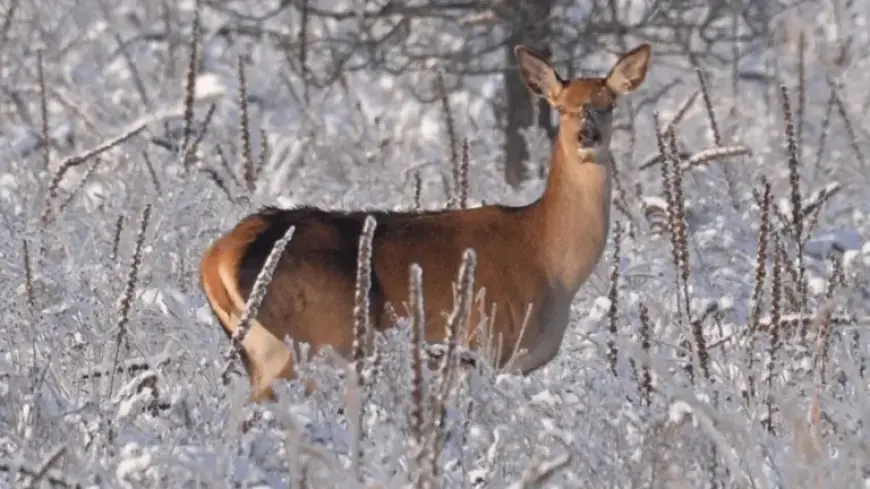
January 2023 brought unusual weather conditions to the Chernobyl Exclusion Zone, greatly impacting local wildlife. The area, known for its diverse animal populations since the 1986 nuclear disaster, faced excessive rainfall and drastic temperature fluctuations.
Chernobyl’s Unusual January Ice and Its Effects on Wildlife
The early part of January saw significant precipitation that resulted in a thick layer of ice covering the landscape. This development has severely affected animal movement and their ability to forage for food. The temperatures during this month remained persistently below historical averages, compounding the challenges faced by the local fauna.
Environmental Impact
- Formation of a solid ice crust restricting animal mobility.
- Inability to access food sources due to the ice barrier.
- Increased stress on wildlife already burdened by previous habitat changes and radiation.
These environmental shifts have raised concerns about the survival of certain species. The ice layer not only hinders movement but also poses a severe threat to the ecological balance within the Exclusion Zone.
Broader Climate Concerns
The extreme weather patterns observed in January 2023 may indicate larger climate trends affecting ecosystems worldwide. Such phenomena warrant urgent research to understand their long-term effects on wildlife within Chernobyl. Continuous monitoring is essential for devising effective strategies to protect biodiversity in the region and similar protected areas.
In conclusion, Chernobyl’s unusual January ice represents a serious environmental challenge. The ongoing study of these weather changes is crucial for ensuring the region’s wildlife can adapt to their changing habitat.