France and Spain Boost Russian LNG Imports, EU Now a Leading Buyer

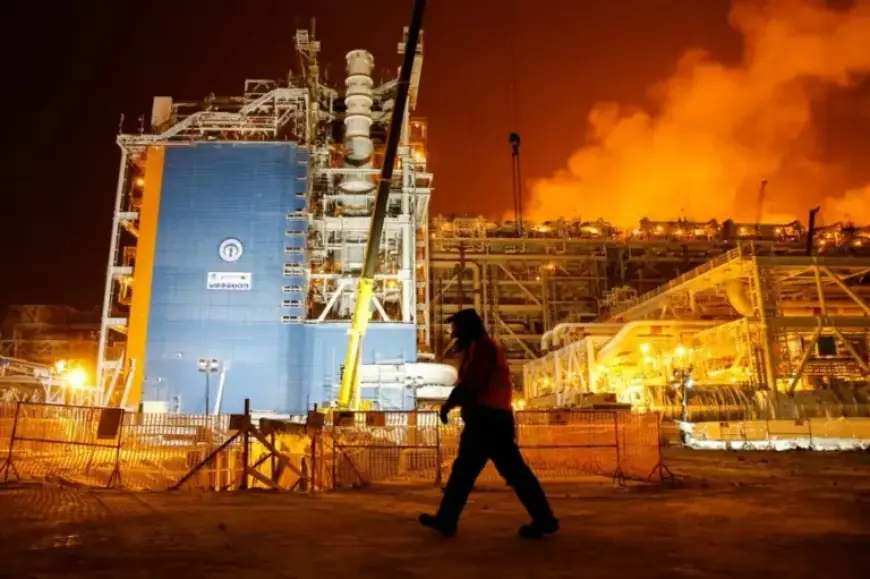
The recent report from the Center for Research on Energy and Clean Air (CREA) highlights significant increases in Russian liquefied natural gas (LNG) imports by both France and Spain. In December, Spain’s imports rose by 27%, while France saw an 18% increase. This trend underscores Europe’s ongoing reliance on Russian energy sources amidst the geopolitical landscape.
Overview of Russian LNG Imports
Despite global efforts to reduce dependency on Russian fossil fuels, the European Union (EU) remains a leading buyer. In December, the EU accounted for nearly half of all LNG purchases from Russia. Notably, Russia’s overall fossil fuel export revenues fell slightly, dropping 2% to €500 million per day, marking the second-lowest figure since the invasion of Ukraine in 2022.
Detailed Breakdown of Energy Revenues
While total revenues from Russian fossil fuels have dipped, some sectors exhibited growth:
- Crude Oil: Revenues decreased by 12% month-on-month, landing at €198 million per day. Seaborne crude revenues fell 16% to €139 million per day due to lower export volumes.
- LNG: Revenue from liquefied natural gas increased by 13% to €48 million per day, driven by a 16% rise in export volumes—the highest level recorded in the first half of 2025.
- Pipeline Gas: Revenue also jumped, increasing by 17% to €70 million per day.
EU’s Position in Russian Fossil Fuel Imports
The EU’s reliance on Russian energy remains significant. It accounted for 35% of pipeline gas imports and nearly 50% of LNG purchases. This pattern highlights ongoing concerns regarding Europe’s energy dependency.
Global Context and Implications
While Russian coal and crude oil currently have strong buyers in China, European nations continue to exhibit high purchasing figures for LNG. Notably, four EU countries—France, Belgium, Spain, and the Netherlands—recently paid more for LNG from Russia than they contributed in bilateral aid between 2022 and mid-2025.
Future Perspectives
In December, the EU committed to banning Russian LNG imports by 2027 in an effort to alleviate energy dependency. However, as observed, the substantial quantities of gas still exported to Europe present challenges in achieving this goal.
Concerns Over Shadow Fleet
The report also raises alarms about the use of Russia’s shadow fleet. In December, 132 unregistered tankers were noted for exporting crude and oil products. These vessels are often aged and poorly insured, posing environmental risks that could surpass one billion euros in cleanup costs for coastal nations.
In summary, as France and Spain ramp up imports of Russian LNG, the dynamics within European energy procurement remain complex. Continued analysis and vigilance will be essential as the EU navigates its energy future.