





















Trump Can’t Cancel Midterms, Pursues Alternative Strategy

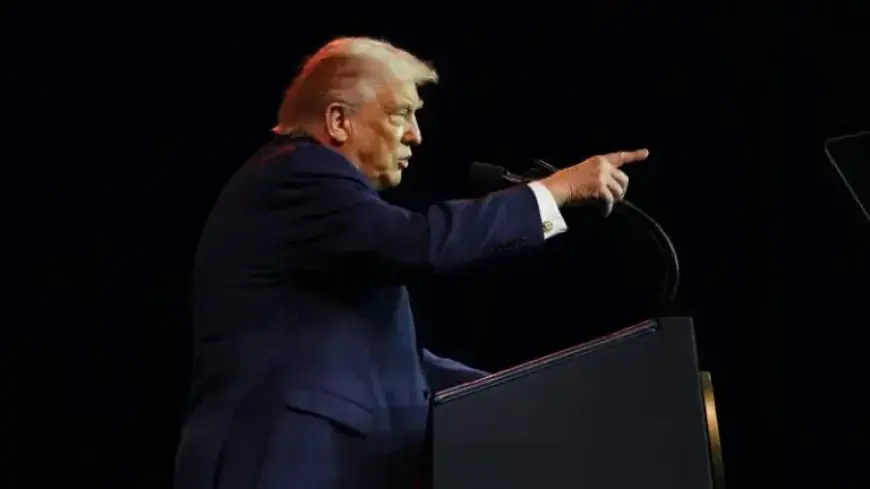
President Donald Trump is facing a challenging landscape as the November midterm elections approach. Concerns about losing unified Republican control in Congress are heightening his anxieties. Recent polls indicate that the president’s approval ratings remain low across various issues, which he finds perplexing.
Trump’s Contemplation of Election Cancellation
In discussions with House Republicans, Trump expressed confusion over public sentiment. He briefly mentioned the idea of not holding the midterms, stating, “When you think of it, we shouldn’t even have an election.” Despite these comments, White House press secretary Karoline Leavitt clarified that the president was joking.
This isn’t the first time Trump has hinted at canceling elections. During a conversation with Ukrainian President Volodymyr Zelensky regarding Ukraine’s inability to hold elections during martial law, he noted, “So you mean, if we happen to be in a war with somebody, no more elections?” His provocative remarks often blend humor and serious implications.
The Historical Context of Elections
- The U.S. has successfully conducted elections during multiple wars, including the War of 1812 and the Civil War.
- Even during the World Wars, Americans continued to vote, emphasizing the resilience of the electoral process.
Trump is aware that historically, the party in power tends to lose seats during midterms. His administration’s rapid initiatives reflect an urgency to bolster Republican influence before the elections.
Constitutional Limitations on Election Cancellation
While discussions about moving elections can occur, outright cancellation is not legally feasible. Election laws mandate that a new Congress be sworn in on January 3, 2027. However, significant changes to election procedures could theoretically be implemented at the state level, albeit without precedent.
Concerns Over Election Integrity
Trump has expressed regret over not taking stronger measures following the 2020 election, including directing the National Guard to seize voting machines. Despite claims of fraud, no substantial evidence has emerged to support these allegations. Election officials are actively preparing to safeguard the democratic process.
Adrian Fontes, Arizona’s Secretary of State, emphasized that elections cannot be canceled. He stated, “We’ve got a whole bunch of scenarios that we’re playing through… to preserve our democracy.” This highlights the heightened vigilance surrounding the electoral process.
Transformations in Electoral Landscape
With redistricting efforts underway, Republicans have gained advantageous positions while Democrats have sought to secure their influence. Key developments include:
- Redistricting efforts have yielded nine additional seats for Republicans and six for Democrats.
- Potential changes to the Voting Rights Act could allow for further redistricting opportunities.
As the midterms approach, Trump’s administration is also considering further executive actions to influence election processes. For instance, recent legal challenges have focused on mail-in voting procedures, which Trump has criticized despite having utilized them himself.
Conclusion
With the midterm elections looming, the conversation about election integrity is more critical than ever. President Trump’s remarks on the possibility of election cancellation, while painted as humor, raise essential questions about the stability of the electoral process. The ongoing changes in election laws and practices reflect the complexities of safeguarding democracy in the face of such discussions.