Exploring the PC Hardware and Windows Compatibility Gap

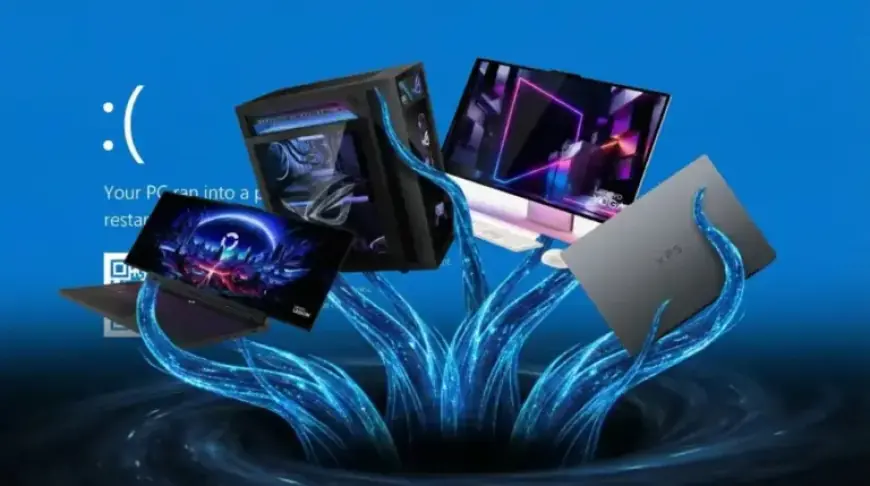
At CES 2026, it became evident that PC hardware is thriving. Laptop designs are achieving unprecedented thinness and efficiency, while processors are faster than ever. Screens offer stunning visuals, and battery longevity has significantly improved. However, the landscape for Windows operating systems presents a stark contrast.
Key Developments in PC Hardware
Leading manufacturers showcased innovations that highlight the current renaissance of PC hardware. For instance:
- Lenovo: Captivated audiences with its Legion Pro Rollable concept, featuring a transformable ultrawide screen. Lenovo’s global shipment figures for 2025 are expected to reach approximately 71 million, solidifying its status as the largest PC brand.
- ASUS: Introduced the ROG Zephyrus Duo, which includes options for the powerful NVIDIA RTX 5090 mobile GPU. Their Zenbook A14, often available for around $600, is noted for its thin design and impressive battery life.
- HP: Unveiled the EliteBoard G1a mini PC, which combines a compact keyboard with PC functionality.
This array of designs reflects a golden age of laptop and PC hardware engineering, driven by advancements such as Qualcomm’s Snapdragon X chips that entered the market in 2024.
The Windows Compatibility Crisis
In stark contrast, the Windows 11 operating system faced significant criticism at the same event. Here are key concerns:
- Users report dissatisfaction with Microsoft’s push to integrate AI into essential system functions, impacting usability.
- Security worries are rising, particularly with tools like Copilot+ that handle user data.
- Feedback from the tech community suggests that Windows is losing touch with its user base, with many longing for a return to familiarity.
Despite some improvements, such as a consistent dark mode in File Explorer, users feel that increasing reliance on AI has led to software bugs and setbacks in stability.
Outlook for 2026
The disconnect between outstanding PC hardware and troubling software reliability raises a crucial question: Can Windows regain its former appeal? As hardware continues to impress, the software experience may need urgent attention to reclaim user trust and satisfaction.
While users are excited about PC innovations, the sentiment surrounding Windows 11 suggests that significant changes are required. Observers are hopeful for a turnaround in 2026 to bridge the growing compatibility gap between hardware advancements and operating system performance.