U.S. Police Alerted by Clothing Resembling Nazi Uniforms

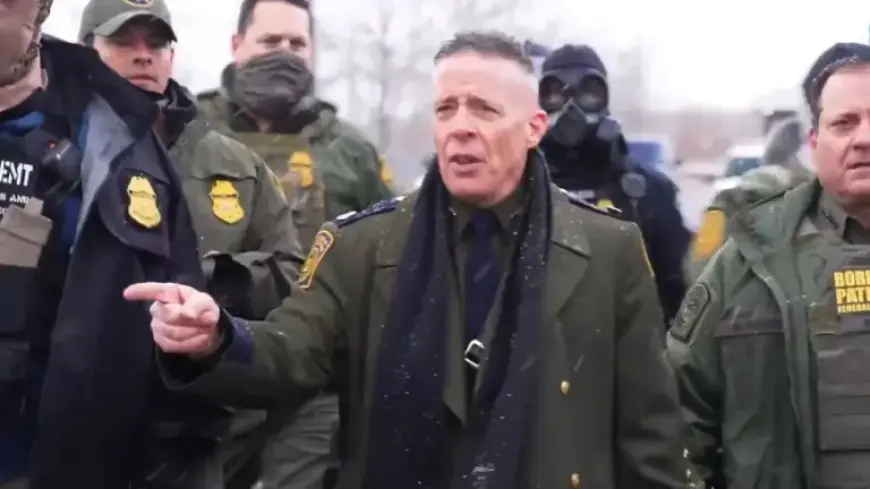
Recent events in Minneapolis have sparked significant attention, particularly regarding U.S. Border Patrol Chief Gregory Bovino. This past Saturday, January 17, Bovino was seen participating in protests against police brutality while wearing clothing reminiscent of Nazi uniforms.
Clothing Resembling Nazi Uniforms
During the protests, Bovino commanded a Border Patrol unit, instructing demonstrators to disperse. Videos of this incident have raised eyebrows on social media, as many observers drew parallels between Bovino’s attire and that of high-ranking SS officers from the Nazi regime.
Background of the Protests
The protests in Minneapolis are part of a larger movement against police violence, particularly actions taken by Immigration and Customs Enforcement (ICE) agents. These demonstrations have intensified since incidents involving aggressive immigration enforcement tactics.
- Protests across the United States have erupted in response to police actions.
- Allegations of unlawful detentions and police violence have increased public outcry.
- The recent death of 37-year-old Renee Nicole Good during a protest has further fueled anger against ICE.
Public Reaction
The choice of attire by Chief Bovino has been met with widespread condemnation. Social media users have highlighted the similarities between his uniform and those historically associated with the Nazi regime.
Daniel Mayakovski, a vocal critic, pointed out specific elements of Bovino’s outfit that align with perceptions of Nazi symbolism, including badges and tactical gear.
Impact on Law Enforcement Presence
In light of the ongoing protests, both local law enforcement and Border Patrol have increased their presence at demonstrations. This response aims to manage escalating tensions between protesters and police forces.
The situation remains fluid, and activists continue to rally against what they perceive as systemic issues within U.S. immigration enforcement and policing practices. Discussions on social media reflect a growing sentiment towards accountability and reform.
Residents and advocacy groups are calling for closer examination of law enforcement methods and greater transparency regarding officer conduct. The events in Minneapolis serve as a crucial flashpoint in an ongoing national dialogue about policing and justice in the United States.