Stunning 3D Tech Inspires Non-Gamers to Embrace Gaming

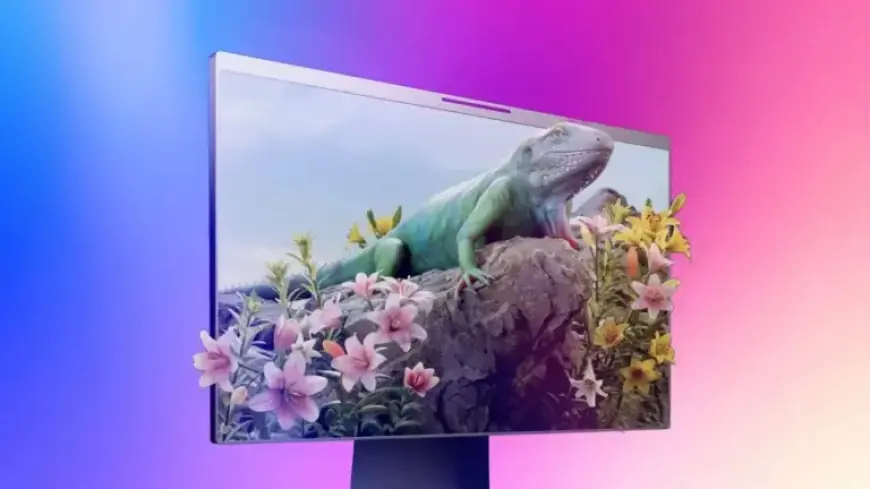
At CES 2026, a remarkable demonstration by Leia showcased their groundbreaking 3D technology, enticing non-gamers to consider gaming. The feature, named Immersity, offers an unparalleled immersive experience without the need for headsets or glasses.
Immersity: Revolutionizing 3D Gaming
Immersity uses an innovative combination of spatial AI software and specialized hardware. This technology can seamlessly switch between standard viewing and holographic depth projection. It generates three-dimensional images that appear to leap out from the screen. Users can enjoy this experience across a range of platforms, including smartphones, tablets, laptops, and monitors.
How Immersity Works
Unlike traditional 3D displays, Immersity tracks the viewer’s facial position. Cameras send distinct visual feeds to each eye, creating a stereo vision effect reminiscent of real-world perception. This personalized approach means only the viewer directly in front of the display benefits from the full depth effect, making it unique and immersive.
Applications Beyond Gaming
During the demonstration, several applications showcased the versatility of the technology:
- A nature video transformed from 2D to 3D, enhancing the viewing experience.
- A video call allowed participants to share a virtual high-five, reminiscent of innovative concepts like Google’s Beam 3D video functionality.
- Clips from the film Avatar were rendered in stunning 3D without the need for glasses.
The Evolution of 3D Displays
3D displays are not entirely new. Leia previously developed the technology for Red’s Hydrogen One phone in 2018, which faced criticism and was subsequently discontinued. Despite this, Immersity demonstrates significant improvement and broad applications that are more promising than its predecessors.
Current Availability and Future Prospects
Immersity-powered devices are now commercially available, including:
- Red Magic Laptop (16-inch)
- Samsung Odyssey 3D Monitor
- zSpace Inspire and Onsor AMAD for educational use.
- Barco Eonis 3D for enhanced medical imaging.
Moreover, Leia’s collaboration with PortalVR allows users to experience PC gaming without headsets while playing SteamVR games. The display’s immersive quality replicates the depth typically experienced in virtual reality, paving the way for new gaming avenues.
Conclusion
While some may question the practicality of advanced 3D displays for everyday tasks like checking social media, the technology represents an exciting leap forward. Observers left the Leia demonstration with a renewed interest in gaming, inspired by the fascinating possibilities of Immersity. As the technology becomes more accessible, it may transform the way audiences engage with digital content.