Understanding 2026 NFL Playoffs and Super Bowl Overtime Rules

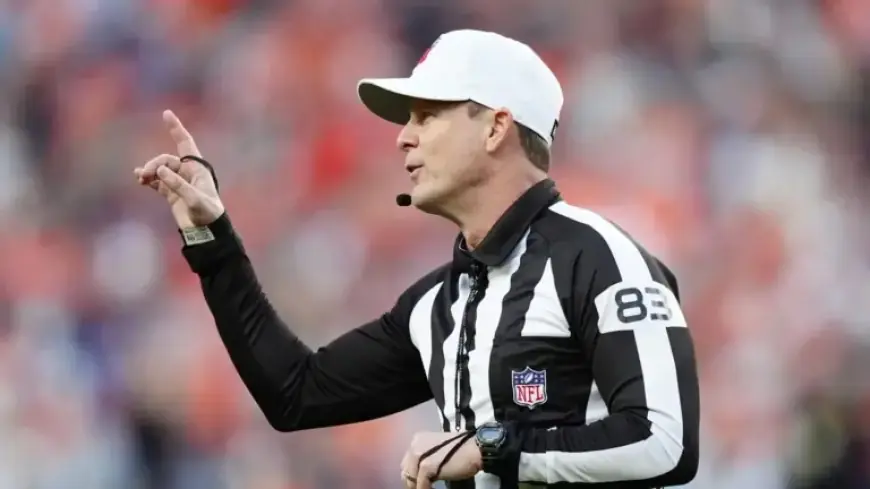
The NFL has refined its overtime rules to create a more exciting playoff atmosphere, culminating in unique gameplay for postseason matches. Understanding these rules is essential for fans eagerly anticipating the upcoming games and Super Bowl.
Overview of NFL Overtime Rules
Overtime in the NFL follows distinct procedures, particularly in the postseason. Here are the key elements:
- Overtime begins with a coin toss.
- The winning team can choose to kick, receive, defer, or select which goal to defend.
- Each team gets at least one possession, even if the initial receiving team scores a touchdown.
- If the defense scores a safety on the first possession, the game ends immediately.
Duration of Overtime
Playoff overtime periods last for 15 minutes. This is longer than the 10-minute duration used in the regular season, allowing for more opportunities to score. If a team has not concluded its possession when the first overtime period ends, they retain the ball into a second overtime quarter.
Game Conditions and Strategies
Playoff overtime mimics the feel of a new game. Key rules include:
- Three timeouts per half.
- A two-minute warning at the 2:00 mark of the second overtime quarter.
- No halftime intermission after the second overtime if the game remains tied.
If the game is still tied at the conclusion of the second overtime, teams will engage in another coin toss, restarting the rules as if at the beginning of a new game.
Strategic Considerations
Postseason games often introduce strategic complexities. Coaches may prefer to kick off initially. This allows them to assess their opponents’ scoring needs. If the first team scores a touchdown and successfully kicks the extra point, the second team can attempt a two-point conversion after their touchdown, creating a thrilling finish.
Recent Applications of Overtime Rules
Super Bowl LVIII, held in February 2024, was the first major game to utilize the updated overtime regulations. In this championship contest, the San Francisco 49ers won the coin toss and opted to receive. They managed to score a field goal in their first possession. However, the Kansas City Chiefs responded effectively, scoring a touchdown on their initial set of downs to secure the victory.
As fans anticipate future playoff matchups, understanding the nuances of the NFL’s overtime rules will enhance their viewing experience, highlighting the excitement and unpredictability that can occur during these crucial moments in the game.