Morocco vs Senegal: Kickoff time, stakes, and the late-breaking storylines for the AFCON 2025 final

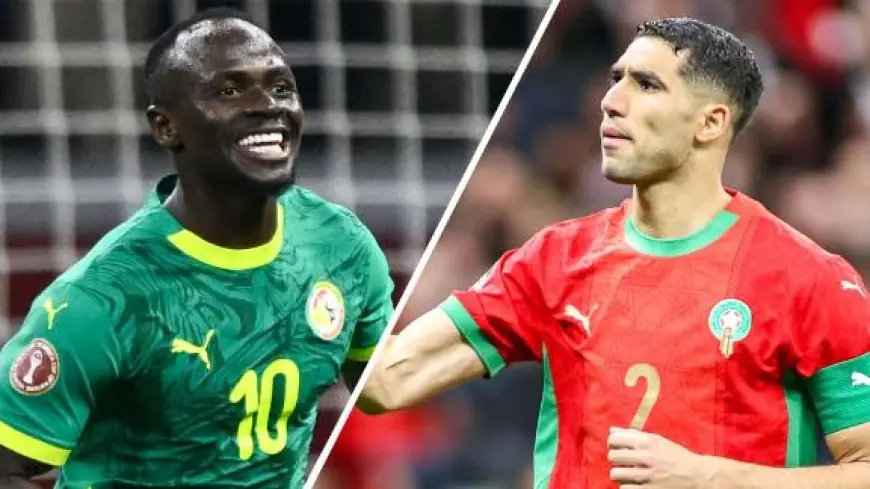
The Africa Cup of Nations reaches its summit tonight in Rabat as host nation Morocco clashes with defending champions Senegal for continental supremacy. Beyond the trophy, this is a generational crossroads: Morocco chasing a first title since 1976 in front of a fervent home crowd, Senegal hunting a second crown in four years with many of its leaders in the back nine of their international careers.
Morocco vs Senegal kickoff times and venue
-
Local (Rabat): 8:00 p.m.
-
GMT/UK: 7:00 p.m.
-
US/Canada (ET): 2:00 p.m.
-
Europe (CET): 8:00 p.m.
Venue: Prince Moulay Abdellah Stadium, Rabat (capacity ~69,500).
Note: Schedules remain subject to change; check local listings for final carriage in your region.
Team news: suspensions reshape Senegal’s back line
Senegal confronts a significant selection headache: captain Kalidou Koulibaly is suspended due to card accumulation, and midfielder Habib Diarra is also banned. The absence of their defensive anchor forces a reconfiguration at center-back and may nudge the holders toward a more conservative mid-block to shield the back four. Up front, the attack still brims with threat through Sadio Mané, with Nicolas Jackson offering vertical runs and penalty-box instincts.
Morocco arrives largely intact and battle-tested, having navigated late-tournament pressure with a balanced XI. The fullback thrust of Achraf Hakimi and the composure of Yassine Bounou in goal remain pillars. The creative spark comes from Brahim Díaz, who enters the final atop the Golden Boot race after scoring in five separate matches—a rare blend of end product and chance creation that has carried the Atlas Lions through tight moments.
How the matchup could play out
1) Midfield traffic and second balls
Without Koulibaly’s aerial command, Senegal’s center-backs must win first contacts while midfielders collapse on second balls. Morocco’s trio—comfortable rotating between lines—will try to pin Senegal deep, then recycle possession for cutbacks and late arrivals at the edge of the box.
2) Width vs. width
Morocco’s right-sided patterns—Hakimi overlapping beyond a drifting Díaz—demand elite communication from Senegal’s left channel. Expect Mané and Iliman Ndiaye to counter by attacking the space Morocco leaves when its fullbacks advance, turning defensive actions into quick-transition chances.
3) Set pieces as a swing factor
AFCON finals often hinge on restarts. With Koulibaly unavailable, Senegal’s marking assignments on corners will shuffle. Morocco’s delivery has been sharp; a near-post screen or back-post isolate could decide the title.
4) Game-state management
An early Moroccan goal would force Senegal to open its structure, inviting diagonal switches to stretch the field. If Senegal score first, their compactness and counterpunching could tilt the rhythm into a classic, attritional final.
Form guide and numbers that matter
-
Goals against: Both finalists built their run on defensive clarity—Morocco have conceded sparingly, Senegal nearly as tight despite facing relentless knockout pressure.
-
Chance quality: Morocco’s shot map trends toward the penalty spot thanks to cutbacks and low crosses; Senegal generates a higher share from transition lanes and early through-balls.
-
Finishing edge: Díaz’s five-goal return places him at the front of the Golden Boot race, while Senegal spreads production more broadly across its front line—useful in a final where one star can be man-marked.
-
Penalty psychology: With knockout margins razor-thin, both sides drilled penalties throughout camp. Morocco’s goalkeeper profile and shootout composure loom large if extra time beckons.
Tactical chess: five keys to watch
-
Morocco’s rest defense behind adventurous fullbacks—how quickly can the double pivot kill counters?
-
Senegal’s exit routes without Koulibaly for line-breaking passes—does the buildup bypass the first press more directly?
-
Matchups on Díaz—single-coverage invites risk; doubling him opens lanes for Ayoub El Kaabi and weak-side runs.
-
Transitions through Mané—his first touch in space sets the tempo of Senegal’s counters; Morocco must foul smartly (and sparingly) in midfield.
-
Fatigue management—late substitutions of ball carriers could tilt extra time; legs and nerves, not chalkboard plans, often decide finals.
Atmosphere and off-pitch currents
The final arrives amid heightened emotions around logistics and allocations, with pre-match complaints from the Senegalese camp about their arrival experience and ticket distribution. The governing bodies emphasized standards and urged focus on player safety and fair play. On the pitch, expect both captains and staffs to keep a tight rein on discipline; early cards could snowball in a high-stakes environment.
What a win would mean
-
For Morocco: Validation of a long-term project—from academy investments to World Cup ambitions—and the end of a five-decade wait. Lifting the trophy at home would cement this group’s legacy beyond their global breakout.
-
For Senegal: A second title for a golden core, achieved under adversity, reinforcing a culture of resilience and ensuring continuity as the next generation steps forward.
With Díaz in form, Hakimi roaring down the flank, and a home crowd at full voice, Morocco brings a slight edge. Yet Senegal’s champions’ poise and transition threat ensure a razor-thin margin. Prepare for a tactical arm wrestle, moments of individual brilliance, and a finale worthy of a tournament that has delivered drama from start to finish.