Elon Musk’s X Alters Iranian Flag: Impact on the Ground?

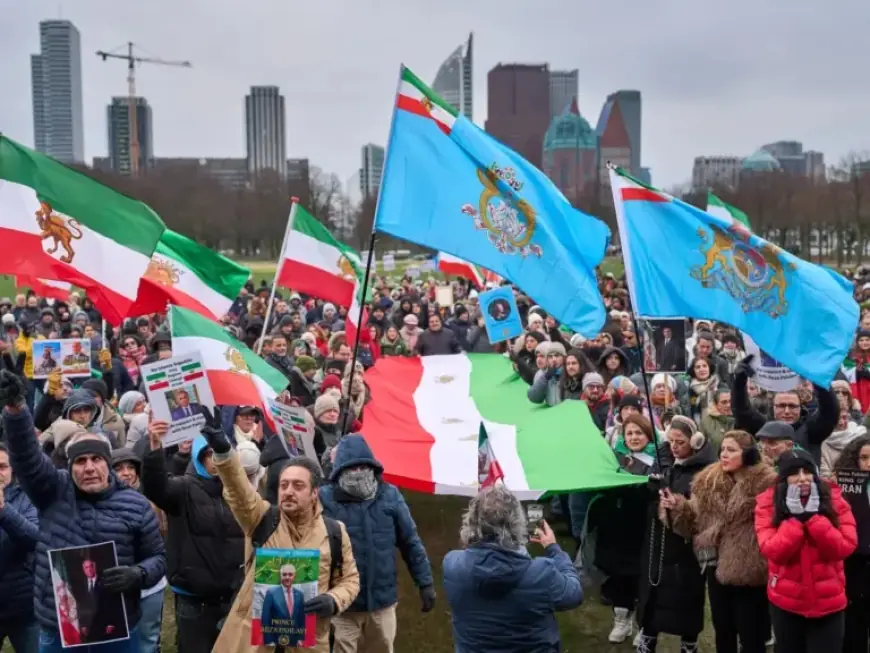
Recent events have stirred significant discourse surrounding the protests in Iran. On January 4, 2023, Elon Musk, the CEO of the social media platform X, commented on a tweet from Iran’s Supreme Leader Ayatollah Ali Khamenei. Khamenei’s statement emphasized resistance against perceived adversaries, to which Musk responded in Farsi, suggesting the leader was out of touch. Following this interaction, X altered the Iranian flag emoji from its current version to a pre-revolution design featuring a lion and sun, a symbol often used by protestors to express their dissent against the regime.
Protests Erupt in Iran
The protests in Iran ignited on December 28, 2022, largely fueled by rampant inflation. Within a few weeks, the demonstrations spread across over 100 cities, encompassing every province in the nation. Protesters are challenging the fundamental governance by the ruling Ayatollahs, as well as the policies that have led to ongoing economic hardships.
- Protests began: December 28, 2022
- Number of cities affected: Over 100
- Governance under challenge: Leadership of Ayatollahs since 1979
Role of Elon Musk and X
Elon Musk’s involvement has drawn mixed reactions. His decision to change the flag symbol on X coincided with an internet blackout imposed by Iranian authorities, making it difficult for many protesters to witness the alteration. Nevertheless, the flag has become a contentious symbol, with various interpretations among those opposing the current regime.
Context of the Protests
These protests are not merely about economic dissatisfaction; they reflect deep-rooted frustrations with the political structure. According to analysts, like Negar Mortazavi, the protests highlight systemic failures across various sectors, including political and social policies. Many demonstrators are advocating for a significant shift away from the leadership style that emerged post-1979.
The Impact of Sanctions
Barbara Slavin, a distinguished fellow at the Stimson Center, attributes the current state of unrest to sanctions re-imposed following the U.S. withdrawal from the Iran nuclear deal in 2018. She argues these actions have severely weakened Iran’s economy. The ongoing struggles faced by the Iranian populace have been exacerbated by the regime’s attempts to suppress access to information, particularly through internet blackouts.
- Economic sanctions: Re-imposed in 2018
- Effects of sanctions: Increased corruption and economic deterioration
Future of the Protests and Leadership Aspirations
The current protests present one of the most substantial challenges to Ali Khamenei’s leadership since he assumed power in 1989. The protests have also reignited discussions about past leaders, such as Reza Pahlavi, the son of the ousted Shah. Pahlavi has voiced support for the demonstration movements while asserting his potential role as a transitional leader.
Despite his aspirations, analysts remain skeptical about his capacity to lead effectively post-Islamic Republic. Many believe a new generation of leaders could emerge from within the populace, yet many of these potential leaders are currently imprisoned.
Conclusion
While Elon Musk’s influence and the symbolic change of the Iranian flag on X have garnered attention, the true dynamics of the protests remain rooted inside Iran. The struggle for freedom continues among those within the country, as the situation evolves daily. The international community watches closely, but as analysts point out, real change depends on the courage and actions of Iranians themselves.