Carney Confronts Today’s Realities: An Opinion Analysis

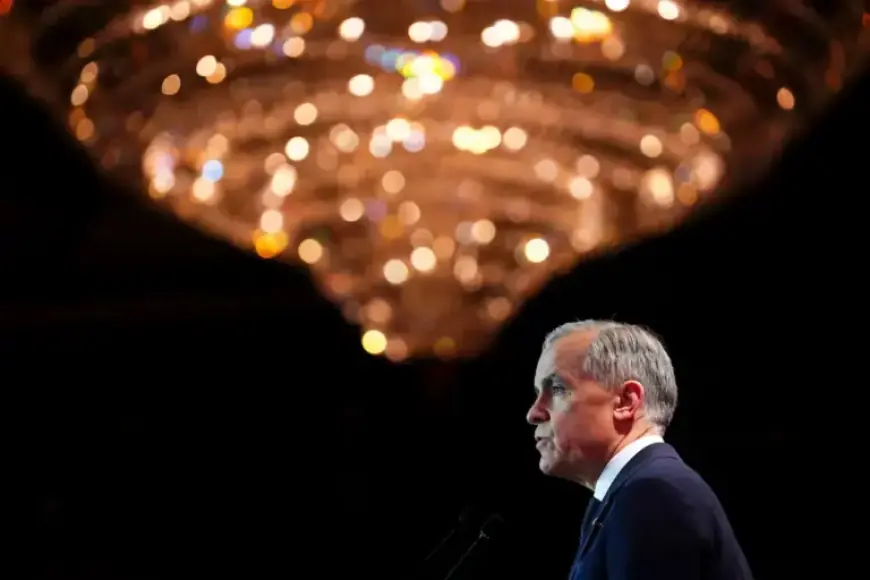
Prime Minister Mark Carney recently held a press conference in Beijing following a pivotal meeting with Chinese President Xi Jinping. His announcement involved a significant trade deal aimed at enhancing economic relations between Canada and China.
Trade Deal Between Canada and China
In an effort to boost trade, both countries agreed to lower tariffs on key products. Canada will significantly reduce its tariffs on electric vehicles from China. In return, China will eliminate tariffs on Canadian canola seed and various agricultural products.
- Canada: Lower tariffs on Chinese electric vehicles.
- China: Remove tariffs on Canadian canola seed and other agricultural items.
Human Rights Concerns
A reporter raised concerns about human rights issues in China, questioning whether such matters were overlooked in pursuit of new markets. Carney acknowledged that Canada upholds its values but emphasized the need for pragmatic engagement with countries like China.
He stated, “We take the world as it is, not as we wish it to be.” This statement reflects the complex reality of international relations today.
Shifts in Canada-China Relations
Carney’s remarks indicate a shift from previous optimistic approaches to a more transactional relationship between Canada and China. This change may be partly influenced by recent geopolitical dynamics.
Former foreign correspondent Jonathan Manthorpe noted that past efforts to promote ideas such as the rule of law in China have been largely unsuccessful. He remarked that Canada must now engage with China more realistically.
Political Reactions
The reactions to the trade deal were mixed among Canadian political leaders. Saskatchewan Premier Scott Moe expressed support, seeing the deal as beneficial for local canola farmers. In contrast, Ontario Premier Doug Ford criticized the implications for auto workers.
International Dynamics
This trade agreement comes at a time when Canada must navigate complex international relations, especially with the United States. Following Carney’s announcement, U.S. President Donald Trump responded neutrally, suggesting that striking a trade deal with China is a positive move.
However, this agreement poses potential risks as Canada diversifies its economic partnerships. Carney acknowledged the benefits of a more predictable relationship with China, despite the underlying challenges presented by national security concerns and human rights issues.
Conclusion
As Canada recalibrates its international strategies, the recent trade deal with China serves as a testament to a changing global landscape. The balance between economic interests and ethical considerations remains delicate, and the world has indeed become a very different place over the past decade.