Ex-Deputy Eduardo Cunha Seeks Return to Congress After Arrest

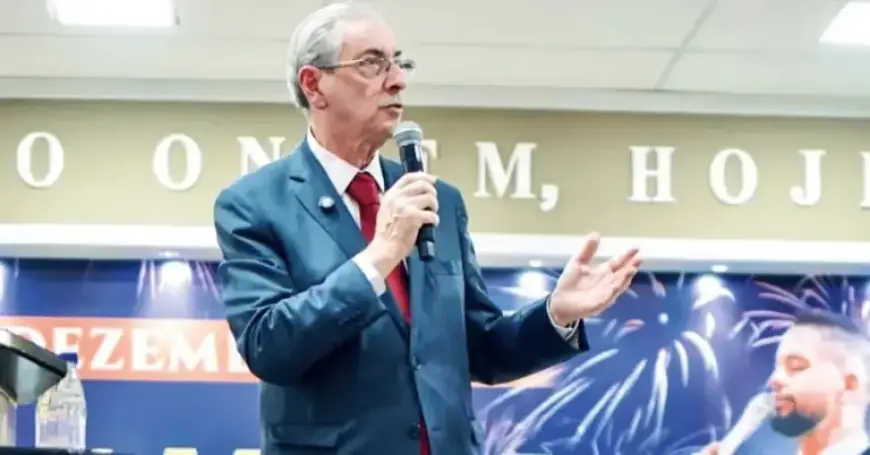
Eduardo Cunha, the former Brazilian deputy, is attempting to resurrect his political career as he aims for a return to Congress. After serving a four-year prison sentence due to corruption and money laundering charges, Cunha seeks to distance himself from the controversies that marked his past.
Political Ambitions After Release
Since his release, Cunha has strategically shifted his focus to Minas Gerais, where he has purchased several evangelical radio stations and is sponsoring local sports teams like the Uberaba Sport Club. This venture represents a significant change from his previous political base in Rio de Janeiro.
A New Strategy for Political Reintegration
- Cunha’s political realignment is evident as he emphasizes religious preaching, conservative agendas, and anti-PT sentiment.
- He has made numerous appearances on his radio platforms to connect with voters.
- His electoral domicile was officially moved to Minas Gerais at the end of 2025, avoiding competition with his daughter, Dani Cunha, who is seeking re-election in Rio.
Despite not holding a political office for nearly ten years, Cunha maintains connections within the political sphere. In November, he directed a financial amendment of 1.05 million reais to João Pinheiro, a town in the northwest of Minas Gerais, which the local mayor acknowledged in a social media post.
Resurfacing Controversial Legislation
In Brasília, Cunha’s influence is notable as a controversial amendment he proposed in 2012, defining life as beginning at conception, has been revived and passed in a key legislative committee. This amendment could have substantial implications for abortion legislation in Brazil.
His daughter Dani played an essential role in advancing legislative changes that could benefit her father’s potential return to politics, despite President Lula’s veto against applying the legislation retroactively to existing convictions.
Reflections on His Political Journey
Cunha reflects on his past experiences, acknowledging the political motivations behind his impeachment in 2016 and subsequent imprisonment. He believes that the environment he navigated was markedly different from today’s Congress, emphasizing his controversial yet impactful political style.
In his campaign rhetoric, Cunha positions himself as a critical figure capable of navigating complex legislative landscapes, a skill he asserts is missing in the current Congress under the leadership of Hugo Motta.
Challenges Ahead
Cunha’s previous political resurgence attempts have not met with success; his candidacy in 2022 resulted in just over 5,000 votes, ranking him poorly in the elections. As he prepares for another run, he is predicted to seek a new political party, distancing himself from his former alliance with the Republicans.
While Cunha is optimistic about his chances, the electorate’s memory of his controversial past remains a significant hurdle in his path to reclaiming a seat in Congress. His journey reflects the complexities of Brazilian politics as he seeks redemption and a renewed mandate.