China’s Dust Storm and Inner Mongolia’s Sandstorm Choke the Nation

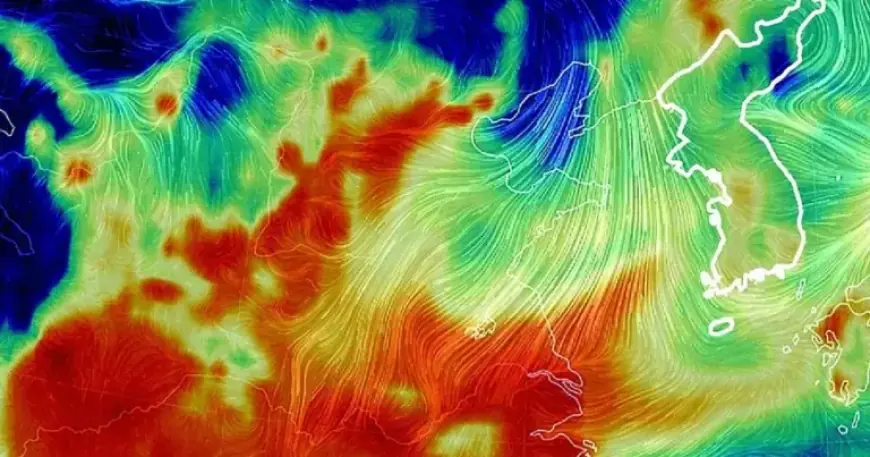
China’s dust storms and the sandstorms from Inner Mongolia have recently affected air quality across the Korean Peninsula. This phenomenon caused significant health concerns and visibility issues, with extreme pollution levels recorded in various regions.
Severe Air Quality Alert Across Korea
On January 16, air quality in South Korea deteriorated dramatically. The average concentration of fine particulate matter (PM 2.5) in Seoul reached alarming levels, prompting the first air quality warning of the year. The National Institute of Environmental Research reported that most regions, except for eastern Gangwon, had “unhealthy” levels of PM 10.
Impact of Dust and Sandstorms
Beginning on January 15, warm southwesterly winds carried dust from China and sandstorms from Inner Mongolia. This combination, along with stagnant atmospheric conditions, resulted in a thick gray haze covering the skies.
- PM 2.5 Levels: On January 16, PM 2.5 levels in Seoul surged to an average of 104 micrograms per cubic meter, classified as “very bad.”
- Specific Areas Affected: Gangnam District recorded extreme highs of 161 μg in the morning, while Gwanak District reached 145 μg.
- Visibility Issues: In places like Gunsan and Chungju, visibility dropped to as low as 50 meters, causing multiple traffic accidents.
Health Risks and Public Safety Measures
The severe air quality triggered emergency measures. Regions such as Chungcheong and Jeonbuk initiated their first emergency reduction protocol for fine dust on the same day.
Traffic incidents were frequent due to reduced visibility, including a four-car collision on the Seohae Expressway and a tragic case of a missing man found deceased after failing to return home in thick fog.
Weather Patterns and Forecasts
The warm winds also caused temperatures in the southern region to spike unusually high for January, with 경주 reaching 17°C. As weather patterns begin to shift, cleaner air is expected to arrive after January 17.
- Temperature Changes: South Korea experienced unseasonably warm days with highs of nearly 20°C in some regions.
- Upcoming Changes: Post January 20, a cold front is predicted, bringing temperatures significantly lower, including lows of -10°C.
The impact of these dust storms serves as a reminder of the dangers posed by air pollution. As conditions improve, residents are encouraged to stay informed about air quality and take necessary precautions.