Polar Vortex Disruption Brings Season’s Coldest Air to North America and Europe

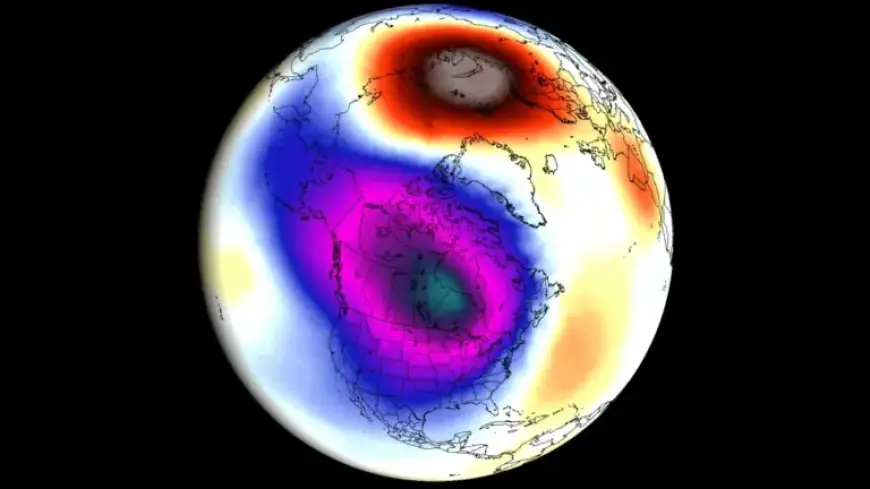
A significant disruption in the Polar Vortex is currently affecting North America and Europe, bringing an intense cold snap. This weather phenomenon is poised to unleash some of the coldest air of the season, with forecasts indicating effects lasting into early February.
Understanding the Polar Vortex
The Polar Vortex is a large-scale circulation in the polar regions, akin to a vast spinning wall. It rises from the Earth’s surface to about 50 kilometers above, effectively trapping cold air in the polar areas. A strong Vortex maintains milder temperatures in mid-latitude regions. However, when it is disrupted, frigid Arctic air is released, affecting weather patterns across the continents.
Current Situation and Forecast
- The Polar Vortex is currently elongated, leading to a northerly air flow into North America.
- High-pressure systems over the North Pacific are causing significant changes in the jet stream.
- Forecasts indicate a strong cold wave extending from southern Canada into the United States.
- Temperatures may drop below 0°F, particularly in the Midwest and Northeast regions.
Impacts on North America and Europe
The ongoing Polar Vortex disruption is expected to lead to severe cold weather across both North America and Europe. Key expected outcomes include:
- Midwestern temperatures could plunge to between -20°F and -25°F.
- Southeastern Canada may experience temperatures as low as -30°F.
- Parts of Florida may see near-freezing temperatures.
- In Europe, a wave of cold air is likely, with many areas going below freezing.
Snowfall Predictions
Snowfall is also anticipated due to this weather system. Recent forecasts suggest:
- Significant snowfall across the Midwest and Great Lakes region, particularly from lake-effect snow.
- European regions may also face considerable snow accumulation.
Looking Ahead
As weather predictions evolve, indications suggest that the Polar Vortex disruption could intensify during the last week of January. This may result in further drops in temperature and additional severe winter weather.
Concluding Thoughts
As the situation develops, updates will be provided regularly. The combination of shifting weather patterns and high-pressure systems will continue to play a critical role in determining the severity and duration of cold temperatures across North America and Europe.