Google Unveils Battery Innovation for Less Glue, Easier Repairs

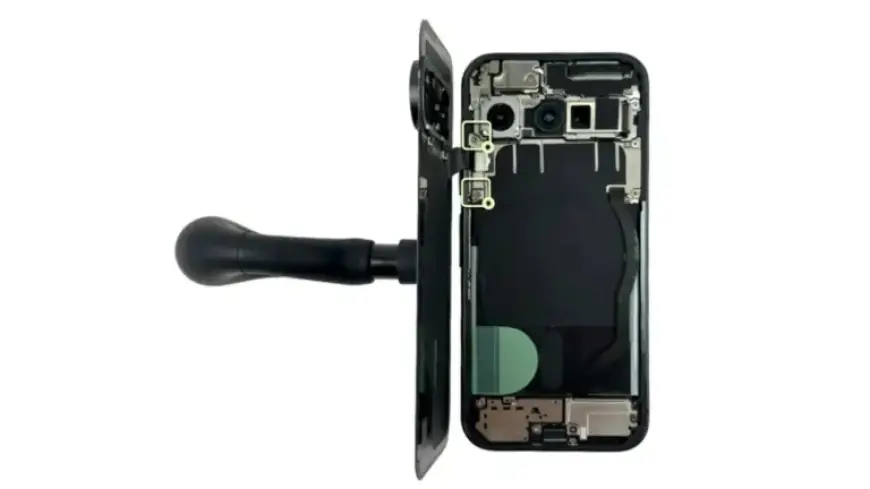
Google has recently submitted a patent application that outlines a groundbreaking battery design aimed at improving repairability for future electronic devices. This innovative approach aims to replace traditional glue usage with a reinforced assembly method that ensures easy battery removal without sacrificing device integrity.
Overview of Google’s Battery Innovation
The newly proposed battery design could revolutionize the way devices like smartphones, tablets, and wearables are constructed. It emphasizes a combination of durability and accessibility, promising to enhance user experience while maintaining sleek, modern aesthetics.
Key Features of the New Battery Design
- Removable Battery Subassembly: The design allows the battery to be easily removed or replaced, potentially reducing repair costs.
- Reinforced Frame: Instead of relying on glue, the battery is secured in a metal frame, enhancing protection against physical damage.
- Preserved Features: Wireless charging, water resistance, and a thin form factor remain unharmed by the new design.
Engineering and Safety Considerations
This innovative approach incorporates several engineering solutions. For instance, mechanical interlocks, shear stops, and guided load paths work together to secure the battery within the device while ensuring safety during repairs.
Unlike conventional batteries that are glued to the device frame, this new method aims to facilitate easier maintenance for both users and service professionals without compromising device quality.
Applications and Future Prospects
The implications of this battery design extend beyond typical smartphones. The proposed technology could potentially apply to various devices, including:
- Foldable phones
- Tablets
- Laptops
- Wearables
While Google’s patent application does not guarantee immediate product release, it reflects the company’s commitment to advancing repair-friendly hardware solutions.
The Importance of Repairability
As electronic devices grow increasingly integrated into daily life, the ability to repair them without extensive waste becomes vital. Google’s exploration into easier repair solutions signifies a step forward in sustainable technology development.
This initiative encourages other manufacturers to prioritize design changes that enhance user accessibility while maintaining high standards of performance and aesthetics.