NVIDIA Halts GeForce RTX 5070 Ti, RTX 5060 Ti 16 GB Production Follows

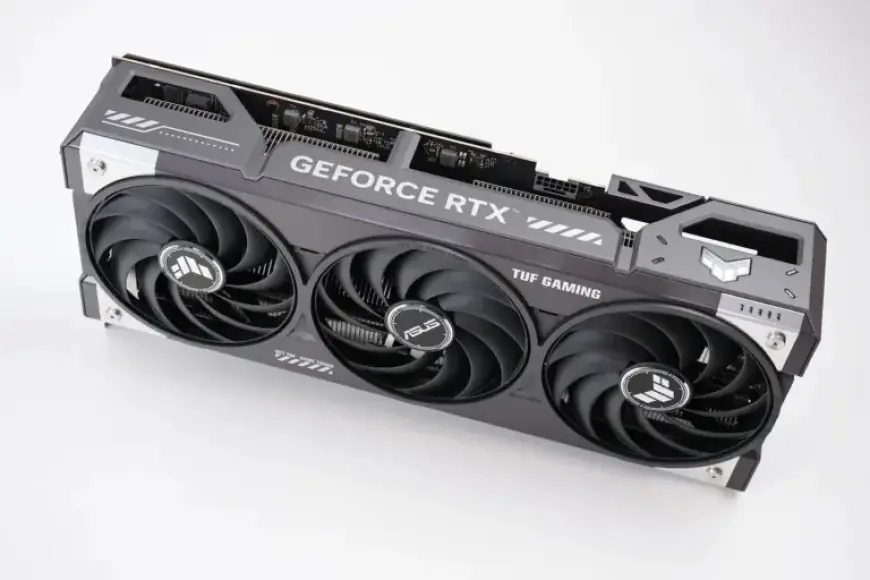
NVIDIA has made headlines recently by halting the production of its mid-range GeForce RTX 5070 Ti graphics card. This information comes directly from ASUS, a prominent manufacturer in the PC hardware sector. ASUS shared these details with Hardware Unboxed, indicating a significant change in NVIDIA’s product strategy.
NVIDIA GeForce RTX 5070 Ti Production Halted
Reports from ASUS suggest that NVIDIA has created a supply shortage for the GeForce RTX 5070 Ti, effectively marking the end of its production. As one of NVIDIA’s largest add-in board (AIB) partners, ASUS confirmed that this graphics card is now considered to be in an end-of-life status.
Supply Shortage Impacts Pricing
The halting of production has led to substantial price increases for the GeForce RTX 5070 Ti in the market. Retailers and manufacturers are struggling to maintain adequate stock levels, leaving potential buyers facing scarcity. This may indicate that the availability of the RTX 5070 Ti could soon vanish altogether.
Statement from NVIDIA
On the subject, NVIDIA provided a statement to HardwareLuxx. The company confirmed that demand for the GeForce RTX series remains strong. However, they acknowledged that elevated demand is stretching inventory thin. NVIDIA emphasized their commitment to shipping all GeForce SKUs while enhancing memory availability.
Future of the GeForce RTX 5060 Ti 16 GB
In addition to the RTX 5070 Ti, there are indications that the GeForce RTX 5060 Ti 16 GB version may follow a similar fate. Resources are reportedly being redirected to focus on the lower-capacity RTX 5060 Ti 8 GB model. Retail channels are already seeing dwindling stocks of the 16 GB variant, leading to adjusted pricing reflecting this newfound scarcity.
- Elevated demand has resulted in a supply crisis for various GeForce models.
- The RTX 5060 Ti 16 GB model is at risk of discontinuation.
- The lower-capacity 8 GB version will remain available.
Industry Impacts and Future Outlook
The ongoing DRAM shortage is affecting graphics memory, including GDDR7. As a result, the RTX 5060 Ti 8 GB version is set to dominate the market until supply chains improve. Additionally, ASUS revealed that a previously anticipated CES launch for an RTX 50 “SUPER” refresh had been postponed, primarily due to the high-capacity memory shortage.
This delay has frustrated several AIBs, marking a significant shift in NVIDIA’s strategy moving forward. As the industry continues to evolve, these developments will undoubtedly shape the graphics card landscape.