Activists Respond to Supreme Court Hearing on Trans Athletes in Women’s Sports

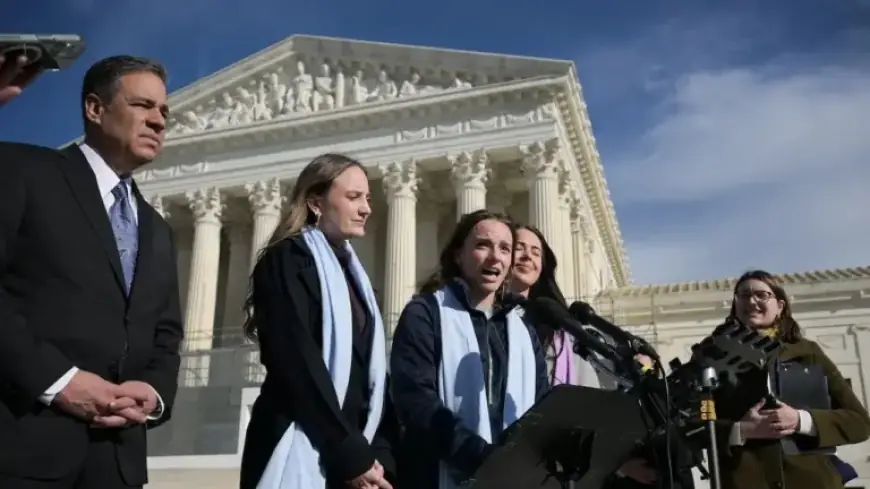
The recent Supreme Court hearing regarding transgender athletes’ participation in women’s sports has sparked various responses from activists and athletes. These individuals expressed their perspectives on the implications of the arguments made during the session, particularly focusing on concerns tied to women’s rights and safety.
Overview of the Supreme Court Hearing
On January 13, 2026, the U.S. Supreme Court addressed the contentious issue of transgender athletes in women’s sports. This case arises amid ongoing debates concerning state bans that restrict biological males from competing in women’s events.
Inside the Courtroom
The hearing revealed a mix of optimism and disappointment among the athletes involved. Many expressed concerns over the justices’ language, which they feel downplayed female experiences and rights.
Key Activists and Their Perspectives
- Madison Kenyan: A former athlete, Kenyan highlighted the need for states to protect women’s athletics, expressing hope for future generations.
- Mary Kate Marshall: Also a former teammate, Marshall critiqued the belief that men can transition into women, advocating for recognition of biological realities.
- Lainey Armistead: Armistead, a former soccer captain, emphasized the significance of the hearing, seeing it as a potential turning point for women’s sports rights.
Activists Outside the Court
Outside the court, numerous protesters rallied in support of the “Save Women’s Sports” movement, voicing their discontent with how the hearing was conducted.
- Brooke Slusser: Slusser, a former volleyball player, shared her struggles after discovering her teammate was a biological male, stating her eagerness for resolution.
- Stephanie Turner: The fencer, known for her protest against a trans athlete, expressed disappointment over the judges’ reluctance to firmly address language surrounding the issue.
- Payton McNabb: McNabb, who suffered serious injuries in a match, emphasized the importance of recognizing the rights and safety of women in sports.
Reflections on the Hearing
Many activists indicated that the justices often focused on the experiences of males rather than prioritizing women’s rights. The conversations frequently veered into abstract definitions rather than addressing concrete concerns about fairness in sports.
Conclusion
The Supreme Court hearing on transgender athletes in women’s sports stands as a pivotal moment in the ongoing cultural debate. The responses from female athletes and activists signify a collective desire for greater emphasis on women’s rights and protections in competitive sports.