NVIDIA Restructures Gaming Lineup; ASUS Halts RTX 5070 Ti Production

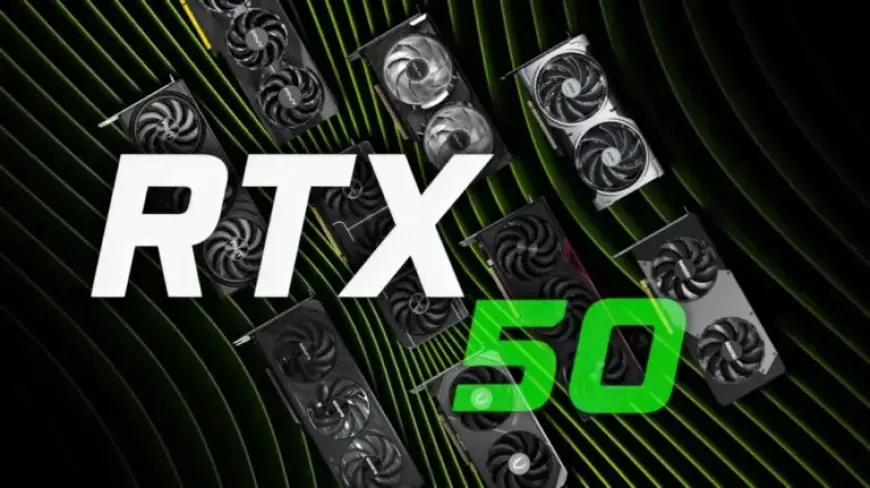
NVIDIA is undergoing significant changes in its RTX 50 gaming GPU lineup, primarily in response to ongoing memory shortages. The company is reported to have halted the production of the GeForce RTX 5070 Ti, as confirmed by ASUS. This shift is part of a broader strategy to limit inventories and focus on a reduced number of GPU variants.
End of RTX 5070 Ti Production
ASUS has officially added the RTX 5070 Ti to its end-of-life (EOL) product list, citing an inability to place further orders from NVIDIA. The consequences of this decision are already evident in the market, particularly in Australia, where retailers are struggling to obtain supply.
NVIDIA’s Strategy Amid Memory Crisis
- NVIDIA is prioritizing production of specific RTX 50 models.
- Reports indicate a potential discontinuation of several 16 GB models, including the RTX 5060 Ti.
- The company is focusing on 8 GB variants, which are likely to replace higher memory models.
According to sources, NVIDIA intends to streamline its SKU lineup. This means models such as the RTX 5060 Ti with 16 GB memory will be deprioritized in favor of their 8 GB counterparts. The RTX 5080 series is also expected to receive supply priority over others in the lineup, including the RTX 5070 Ti.
Market Impact and Price Trends
The RTX 5070 Ti’s discontinuation could exacerbate pricing pressures on GPUs, which already show significant inflation. Current market prices reflect this trend, with several models approaching exorbitant price points.
| GPU Name | MSRP | Lowest Price | Highest Price |
|---|---|---|---|
| RTX 5090 32 GB | $1999 | $3741 | $8999 |
| RTX 5080 16 GB | $999 | $1214 | $3299 |
| RTX 5070 Ti 16 GB | $749 | $829 | $1799 |
| RTX 5060 Ti 16 GB | $429 | $459 | $899 |
| RTX 5060 8 GB | $299 | $299 | $588 |
Consumers may see further increases in prices as the market adjusts to the reduced availability of these GPUs. The shift in focus by NVIDIA suggests a long-term strategy aimed at addressing supply chain challenges while potentially reshaping the gaming GPU marketplace.