Trump’s New World Order Vision: Implications for Europe

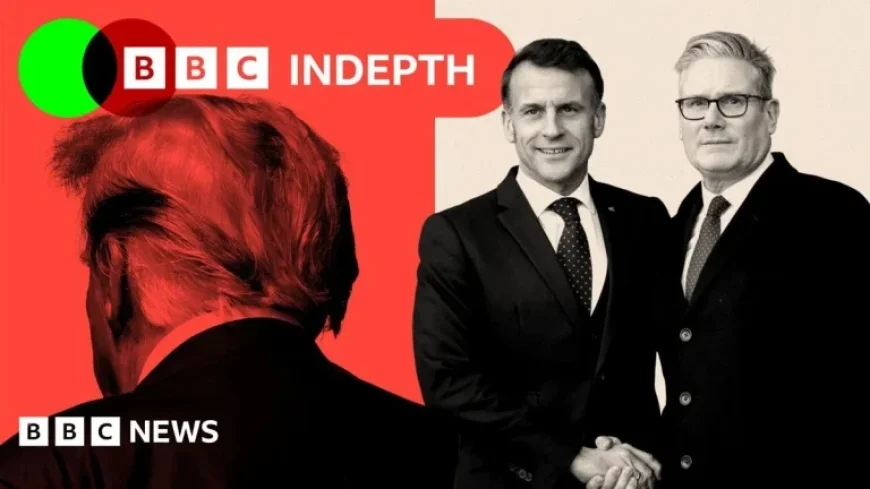
The current geopolitical landscape presents significant challenges for Europe, particularly in light of the changing dynamics in U.S. leadership. As Europe contemplates its future, the implications of Trump’s vision for a new world order become increasingly relevant.
Regaining Self-Confidence in Europe
European nations are grappling with how to regain their “self-confidence” in the face of external pressures. The rise of patriotic parties across the continent offers a glimmer of optimism.
- Patriotic parties are gaining influence.
- The goal is to correct Europe’s current trajectory.
- A strong Europe is necessary for effective global competition.
Questions of Independence
Cultivating resistance to existing trajectories within individual nations raises critical questions. Some European leaders are beginning to perceive the United States as a less reliable ally. This sentiment is particularly pronounced given the increasing threat from Russia.
Following a speech by Vice President Vance in Munich, German Chancellor Friedrich Merz emphasized the need for Europe to achieve independence from American influence. Merz advocates for a reshaped NATO to reflect this need.
Challenges of Disentanglement
Realistically, achieving this independence is a long-term endeavor. Sir Lawrence highlights that the dependency on the U.S. was historically favored for its cost-effectiveness.
- Europe’s dependence on the U.S. is costly and complex to unwind.
- Many European nations find it daunting to operate autonomously.
- Establishing a degree of independence will take years and significant resources.
The overarching dilemma for Europe is clear: it cannot continue to rely on American support, yet it struggles to operate effectively without it. The path forward will require strategic planning and considerable time to reshape Europe’s role on the global stage as it adapts to this new world order.