Quebec 2026 Elections: Official Electoral Map Unveiled

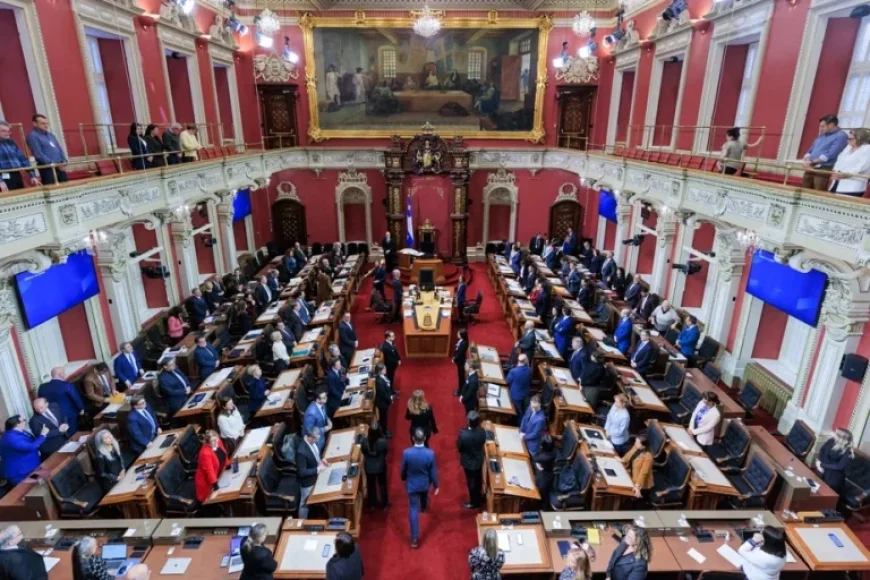
The official electoral map for the upcoming Quebec elections on October 5, 2026, has been unveiled. This new map introduces significant changes, including the loss of one electoral district in Gaspésie and another in eastern Montreal. In their place, two new districts are being created in the Laurentians and Centre-du-Québec.
Overview of Changes in the Electoral Map
The Commission de la représentation électorale du Québec (CRE) revealed this updated map, aimed at reflecting shifts in voter populations across the province. The most crucial change includes the merging of the Gaspé and Bonaventure districts into a single entity named Gaspé-Bonaventure. Additionally, the Matane-Matapédia district is being expanded to incorporate the regional county municipality (MRC) of La Haute-Gaspésie.
Changes in Montreal and Other Regions
In eastern Montreal, the LaFontaine district will be divided. It will be split into new districts named Pointe-aux-Prairies and Anjou-LaFontaine. This restructuring has raised concerns among lawmakers regarding political representation in these areas.
- Gaspésie: Gaspé and Bonaventure merged into Gaspé-Bonaventure.
- Eastern Montreal: LaFontaine split into Pointe-aux-Prairies and Anjou-LaFontaine.
Political Reactions and Legal Challenges
The decision to eliminate a district in Gaspésie has sparked significant outrage in the National Assembly. Lawmakers from various parties have expressed concerns about the diminishing political weight of the region. Current Member of the National Assembly (MNA) Pascal Bérubé has highlighted the logistical challenges posed by the enlarged Matane-Matapédia district, describing it as almost impossible for one elected representative to manage.
A law passed unanimously in 2024 intended to halt the electoral map revision process. However, the Court of Appeal ruled this law unconstitutional, allowing the revisions to proceed. The Quebec government, led by Premier François Legault, is contesting this ruling in hopes of appealing to the Supreme Court of Canada.
CRE’s Defense of Electoral Adjustments
Jean-François Blanchet, the head of the CRE, defended the electoral changes. He stated that while the removal of a district often provokes strong reactions, it is necessary for maintaining equitable electoral influence across regions.
Growth and Adjustments in Population
The new electoral map will also add a district in the Laurentians region. This area has seen an 11.6% growth in its voter base, the highest increase in Quebec. The Bellefeuille district will encompass parts of Saint-Jérôme, Mirabel, and Saint-Colomban.
Total Changes and Future Considerations
In total, 51 out of the 125 electoral districts will undergo modifications. This includes boundary adjustments and name changes. The CRE maintains that such revisions are essential to address population shifts and ensure equal representation.
- New Districts: Bellefeuille (Laurentides) and Marie-Lacoste-Gérin-Lajoie (Centre-du-Québec).
- Renamed Districts: Johnson district renamed to Daniel-Johnson.
While the law mandates a review of the electoral map after two general elections, some parties, including Québec solidaire, are proposing to increase the total number of representatives in the National Assembly from 125 to 127. They argue that this change would allow for the inclusion of new districts without sacrificing representation in Gaspésie and eastern Montreal.
As the October elections approach, the implications of these electoral changes will be closely monitored, especially in terms of their impact on political representation across the province.