

























Has Neuralink Misstepped in Its Latest Venture?

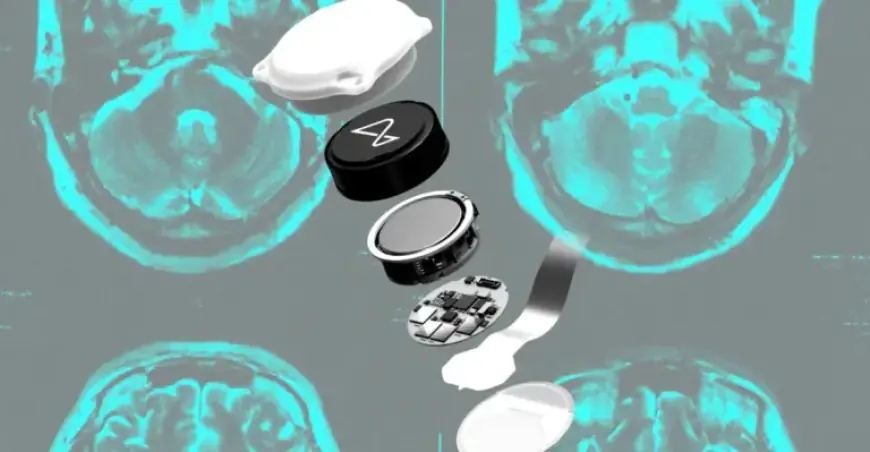
Neuralink, the brain-machine interface company founded by Elon Musk, finds itself at a critical juncture. Despite grand promises of merging human minds with artificial intelligence (AI) and enhancing human capabilities, the company faces significant challenges in realizing its vision. Recent developments raise the question: Has Neuralink misstepped in its latest venture?
The Promise of Brain-Computer Interfaces
Neuralink aims to utilize brain-computer interfaces (BCIs) to translate thoughts into actionable commands. Historically, the company has focused on motor BCIs, allowing users to manipulate computer cursors using their thoughts. However, newer developments have seen competitors advancing in speech BCIs that translate brain activity directly into speech.
Current State of BCIs
- Motor BCIs allow patients to control cursors on screens.
- Speech BCIs aim to enable verbal communication directly from thought.
- Neuralink is adjusting its approach, focusing on speech BCI technology.
A notable advancement in the speech BCI area was a 2024 study involving a 45-year-old ALS patient who achieved 97 percent accuracy in speech prediction using this technology. In contrast, Neuralink’s current trials are mainly focused on developing motor BCIs, which have been slower to adopt speech capabilities.
Neuralink’s Response and Future Directions
Realizing the potential of speech BCIs, Neuralink has begun recruiting participants for clinical trials. These include a trial at the Cleveland Clinic Abu Dhabi in May 2025 and a study at the University of Texas Southwestern Medical Center launched in October 2025. The aim is to enable participants to communicate verbally by converting their thoughts into spoken words.
Comparing Motor and Speech BCIs
Both motor and speech BCIs rely on similar underlying neuroscience. They detect electrical signals in the brain associated with movement—whether it’s for fingers or speech-producing muscles. However, speech BCIs have made considerable advancements in recent years, with the capability to recognize a broad range of vocabulary.
Challenges Ahead for Neuralink
Despite making strides in technology, Neuralink faces skepticism regarding its long-term goals. Critics argue that Elon Musk has historically overpromised, and the current focus on a simplified view of human enhancement through BCIs may undervalue the complexities of brain functionality.
Market Considerations
The market for BCI technology remains limited, primarily due to the selection criteria for clinical trials. As of 2025, there are approximately 30,000 ALS patients and around 300,000 individuals with spinal cord injuries in the United States who might benefit from BCIs. However, participation in trials requires them to live near clinical sites and meet other strict medical criteria.
The economic viability of BCIs is also a concern. Motor BCIs might offer lower market demand due to their invasive nature, while speech BCIs could fit a more diverse population, including stroke victims and individuals with various speech impairments.
Industry Insights and Perspectives
Experts within the BCI community recognize differing perspectives on the immediate utility of motor versus speech BCIs. Notably, Matt Angle, CEO of competitor Paradromics, believes that enabling speech should be a priority due to its significant impact on quality of life.
As noted by Kip Ludwig, an associate professor at the University of Wisconsin-Madison, the challenges of decoding brain signals may limit the technology’s effectiveness. Ultimately, finding ways to bridge the gap between technological advances and real-world applications will be crucial for establishing the legitimacy of Neuralink and similar companies in the medical field.
In conclusion, as Neuralink progresses with its clinical trials and adapts to new developments, the impending question remains: Does its journey signify a misstep in strategy, or will the future of BCI technology evolve to meet the needs of patients effectively? The outcome will certainly shape the broader landscape of brain-computer interfaces moving forward.